500th Anniversary of the Battle of Mohács
The Battle of Mohács was one of the most important and at the same time most tragic events in Central European history. After the defeat of the Hungarian army in August 1526, the way was opened for the expansion of the Ottoman Empire into the territory of the former Kingdom of Hungary. Relations between Hungary and the Ottoman Empire in the 16th and 17th centuries were marked by military conflicts, border defense, but also cultural contacts and mutual influences. An important geographical area of these events was the territory of present-day Slovakia, historical Upper Hungary, which after Mohács became the northern stronghold of Habsburg power and an important defensive zone against the Ottomans.
Towns and fortresses in southern Slovakia formed a system of anti-Ottoman defense. Nové Zámky, Komárno and Leopoldov gained exceptional importance. These fortresses protected the northern regions of Hungary from Ottoman invasions and at the same time became places where two civilizations met – the Christian Habsburg monarchy and the Muslim Ottoman Empire. Other Slovak towns, castles and fortifications also belonged to the anti-Ottoman defense system. Fiľakovo, Levice, Krupina and Košice also played important roles.
The legacy of the Hungarian-Ottoman conflicts is still visible in Slovakia today in the form of fortresses, castles, town fortifications and archaeological finds. These monuments commemorate the period when the territory of present-day Slovakia formed a defensive frontier between two great European powers.
On the occasion of the 500th anniversary of the Battle of Mohács, many Slovak towns and villages together with museums, cultural institutions and historical associations commemorate this important historical period through a diverse public program including expert lectures, thematic exhibitions, reconstructions of historical battles, demonstrations of period warfare, crafts and everyday life during the Hungarian-Ottoman conflicts.
Calendar of Events
Zvolen – SNG Zvolen Castle
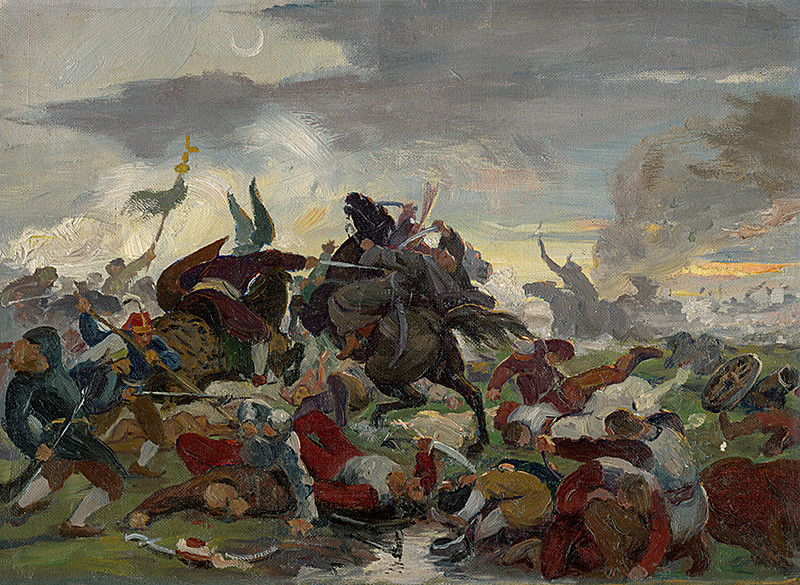
Zvolen Castle
21 May 2026 – 17 January 2027
Public accompanying events
-
10 September (Thursday) at 17:00
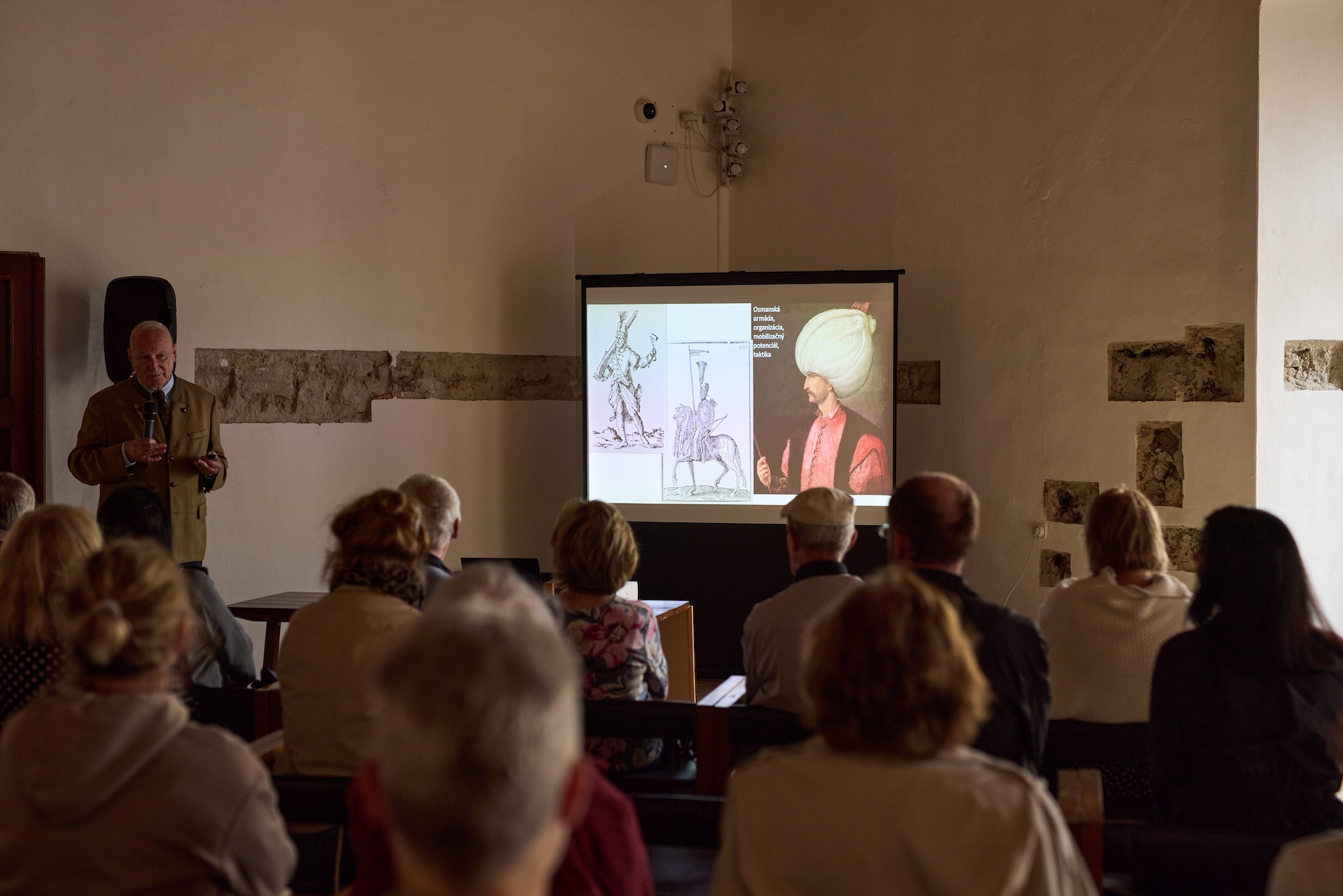
OTTOMAN NOVÉ ZÁMKY
/ lecture
Helena Gahérová
From 1663, Nové Zámky was the northernmost stronghold of Ottoman power in the Kingdom of Hungary.
The lecture will explore everyday life on the periphery of the Ottoman Empire and show
what relations, coexistence and contacts between the Ottomans and the local population looked like.
Mgr. Helena Gahérová, PhD. is a historian who has worked
at the Pezinok City Museum since 2016. In addition to regional history, she focuses on
the period of Ottoman expansion into the territory of the Kingdom of Hungary
(present-day Slovakia) and on the history of the Ottoman Empire in the 16th and 17th centuries.
-
19 September (Saturday) at 11:00
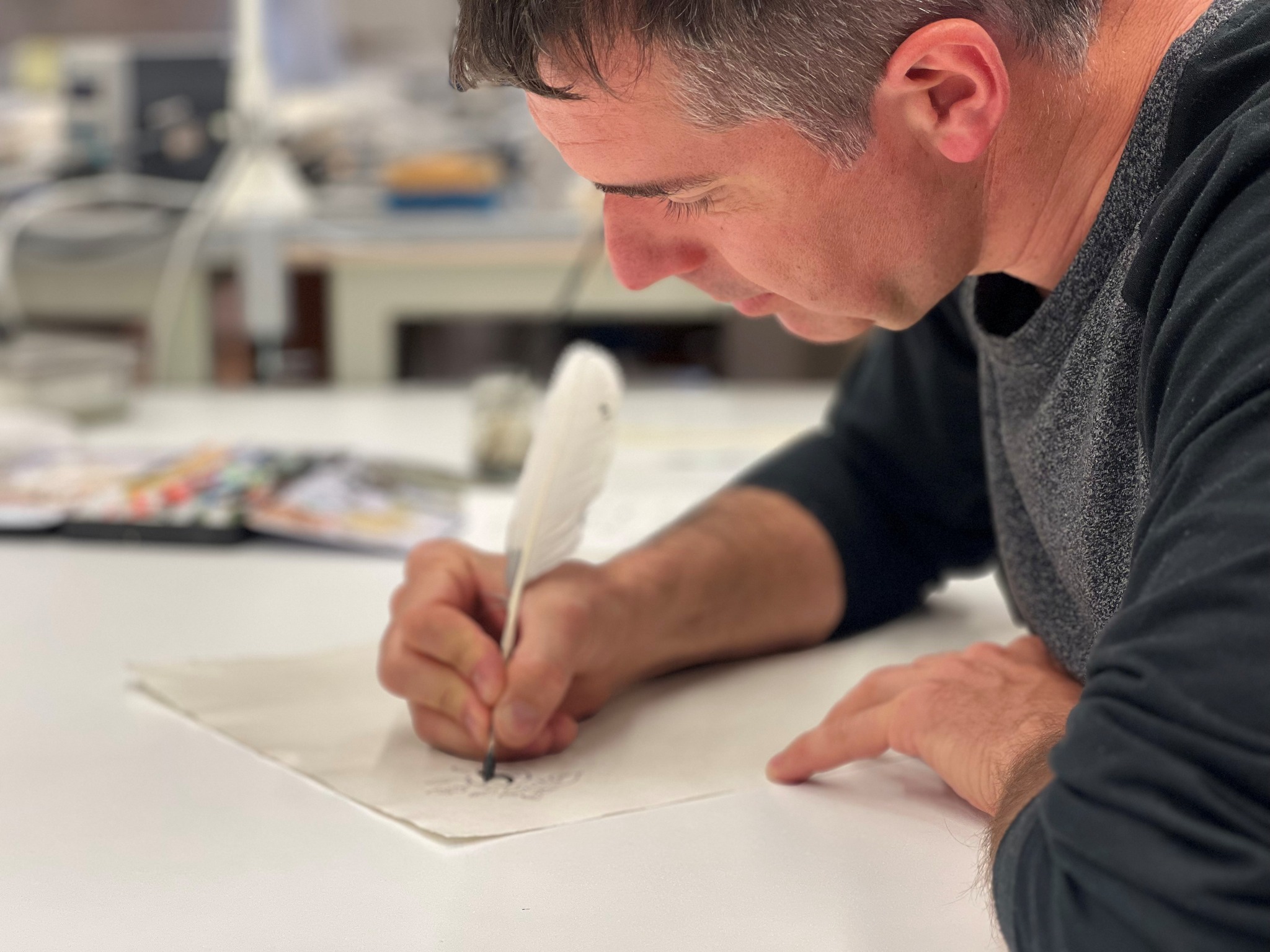
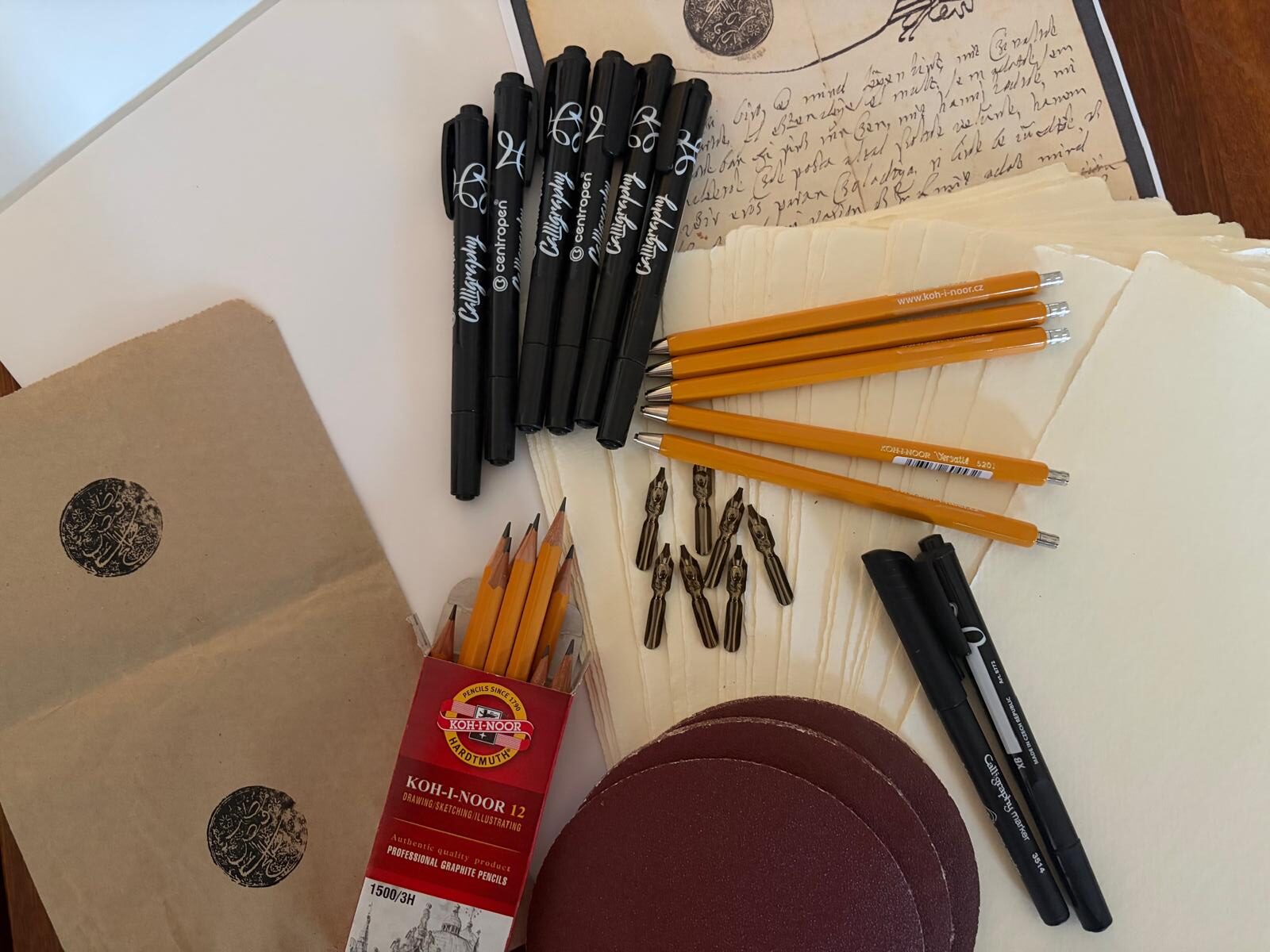
FACSIMILES OF 16TH- AND 17TH-CENTURY DOCUMENTS
/ workshop / 12+
Peter Ližbetin
We will take a closer look at the process of creating facsimiles of period correspondence
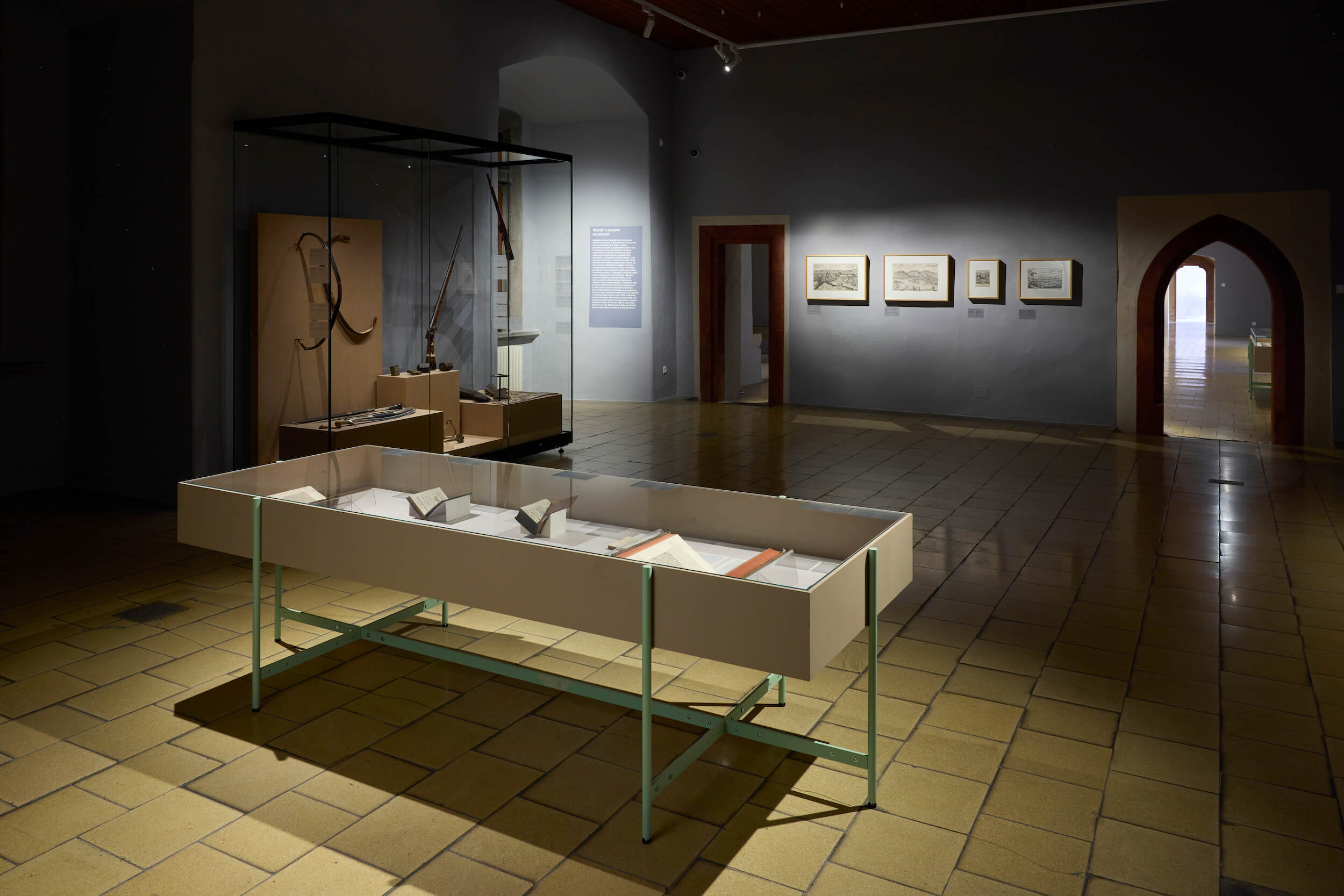
presented at the exhibition MOHÁČ 500SK: Images of the Ottoman Presence
and try our hand at signing and sealing documents.
Reservations:
+421 45 245 30 01
and
lektori.zvolen@sng.sk
Peter Ližbetin is a conservator and restorer specialising
in paper and historical book bindings.
-
19 September (Saturday) at 15:00
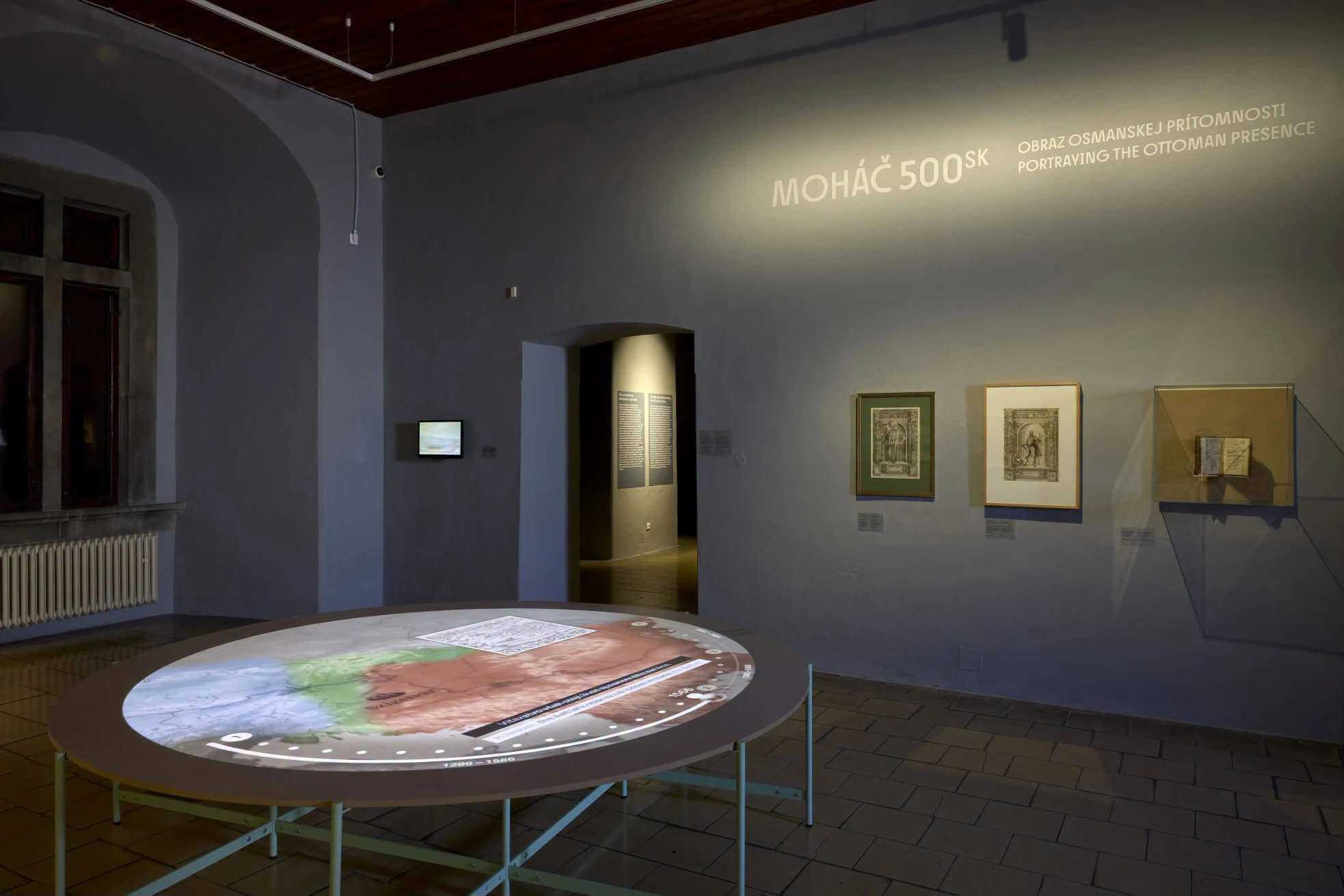
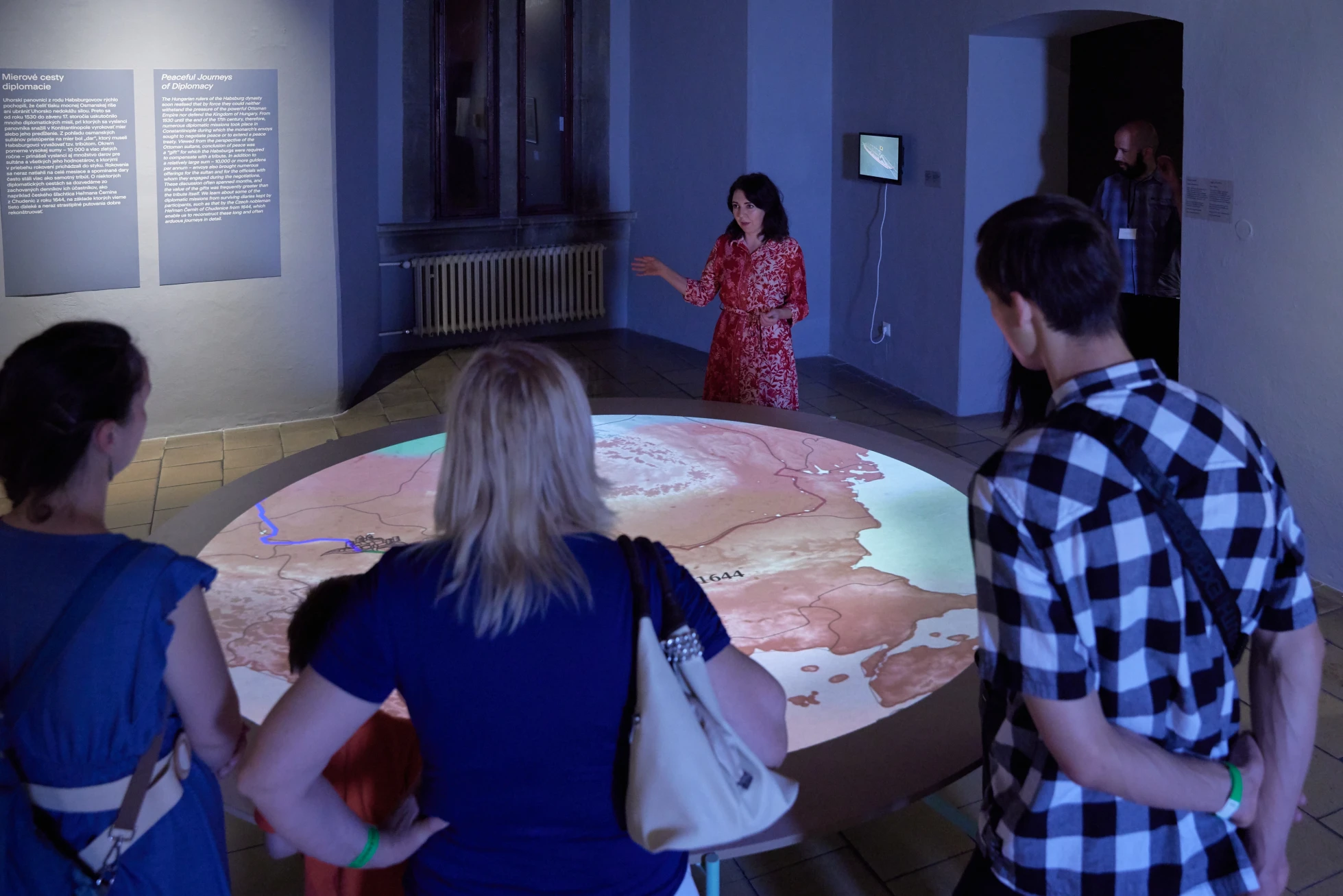
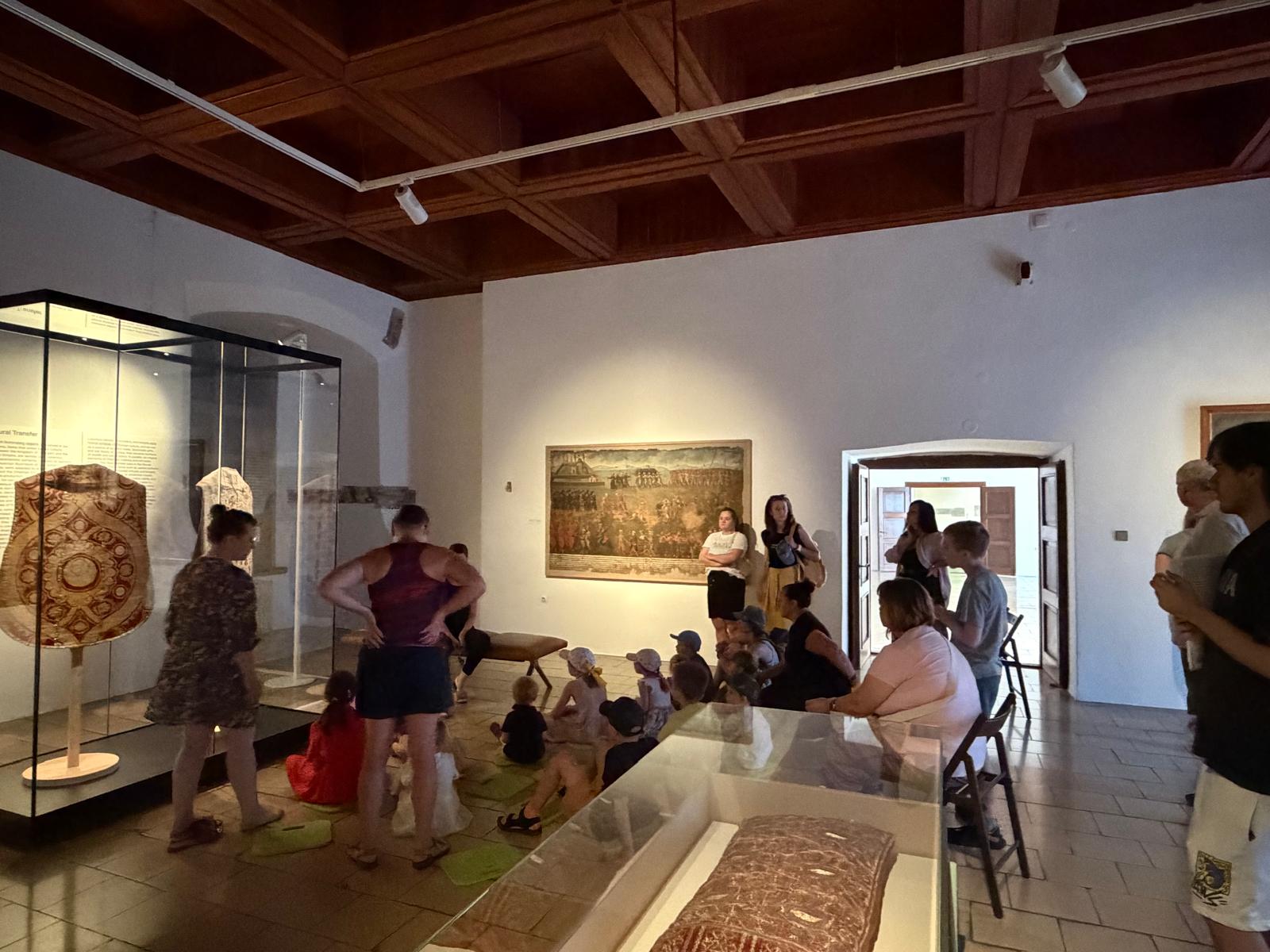
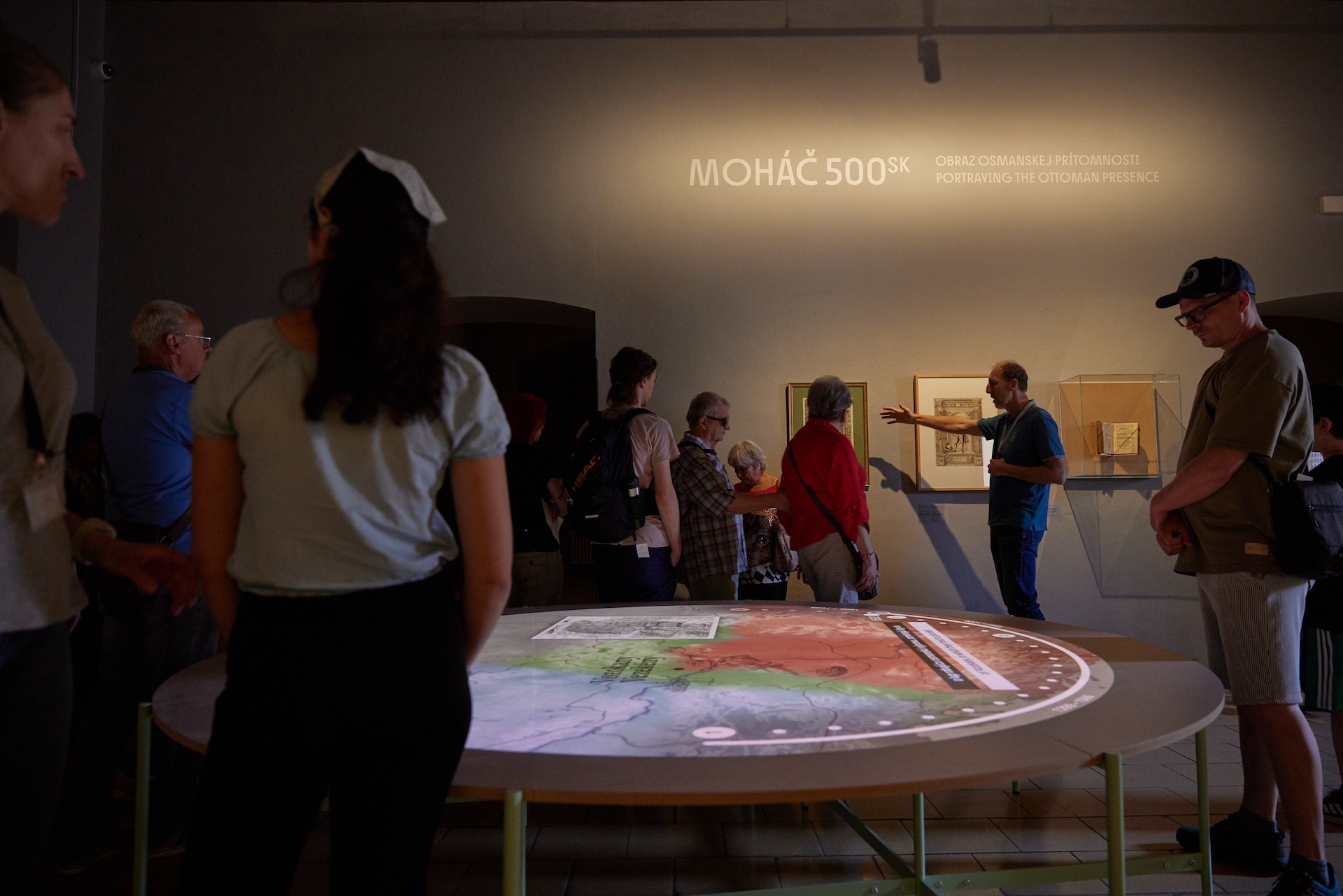
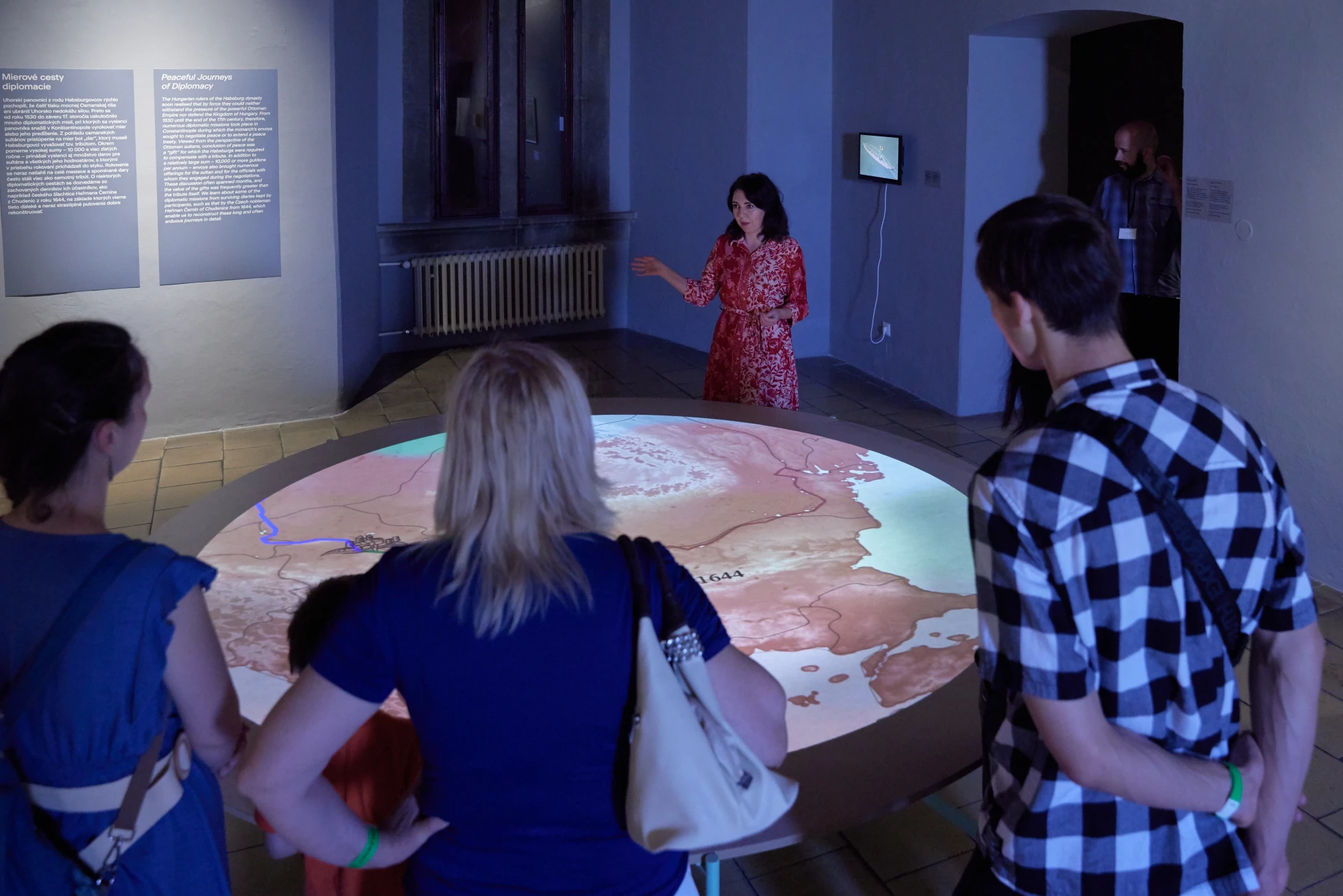
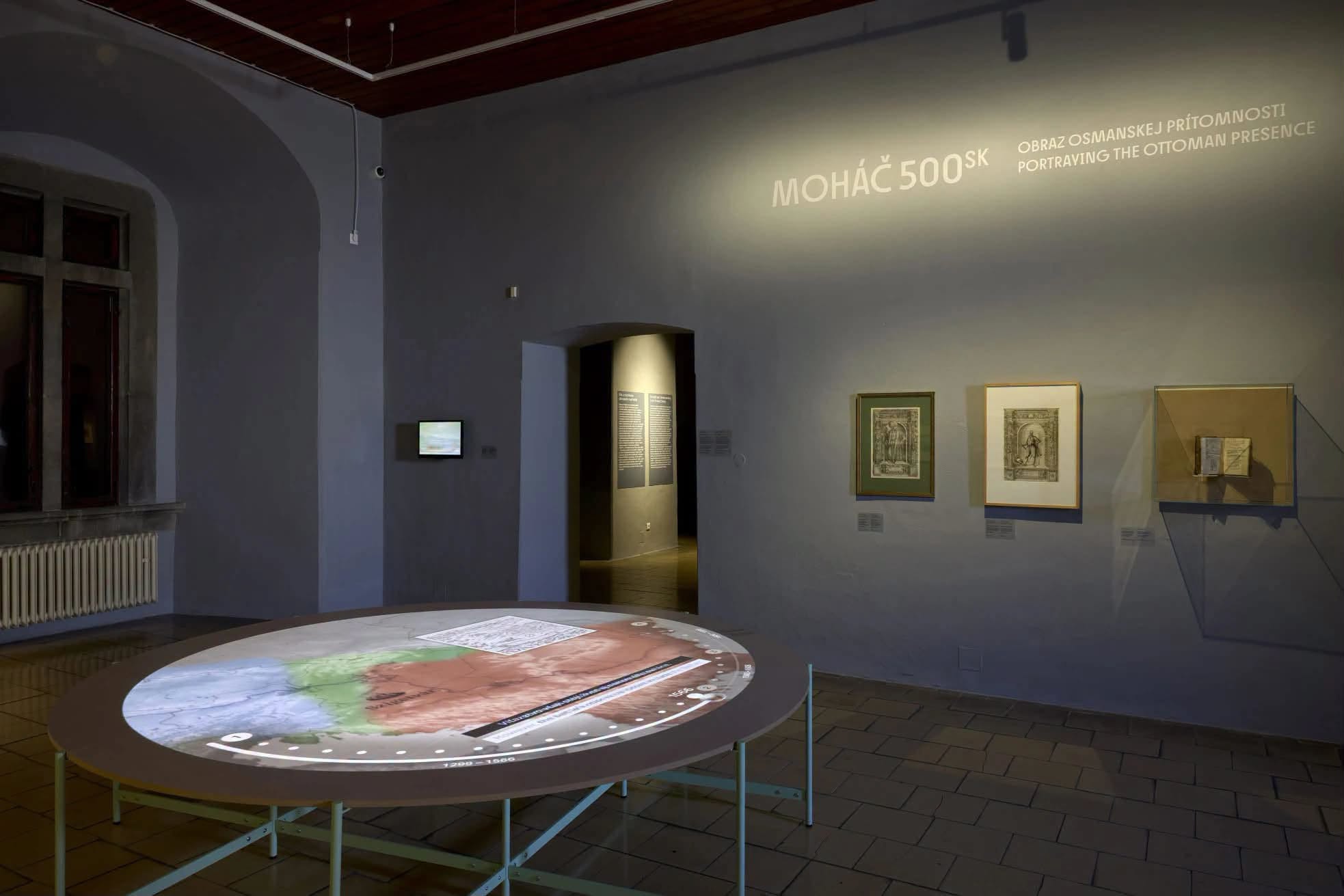
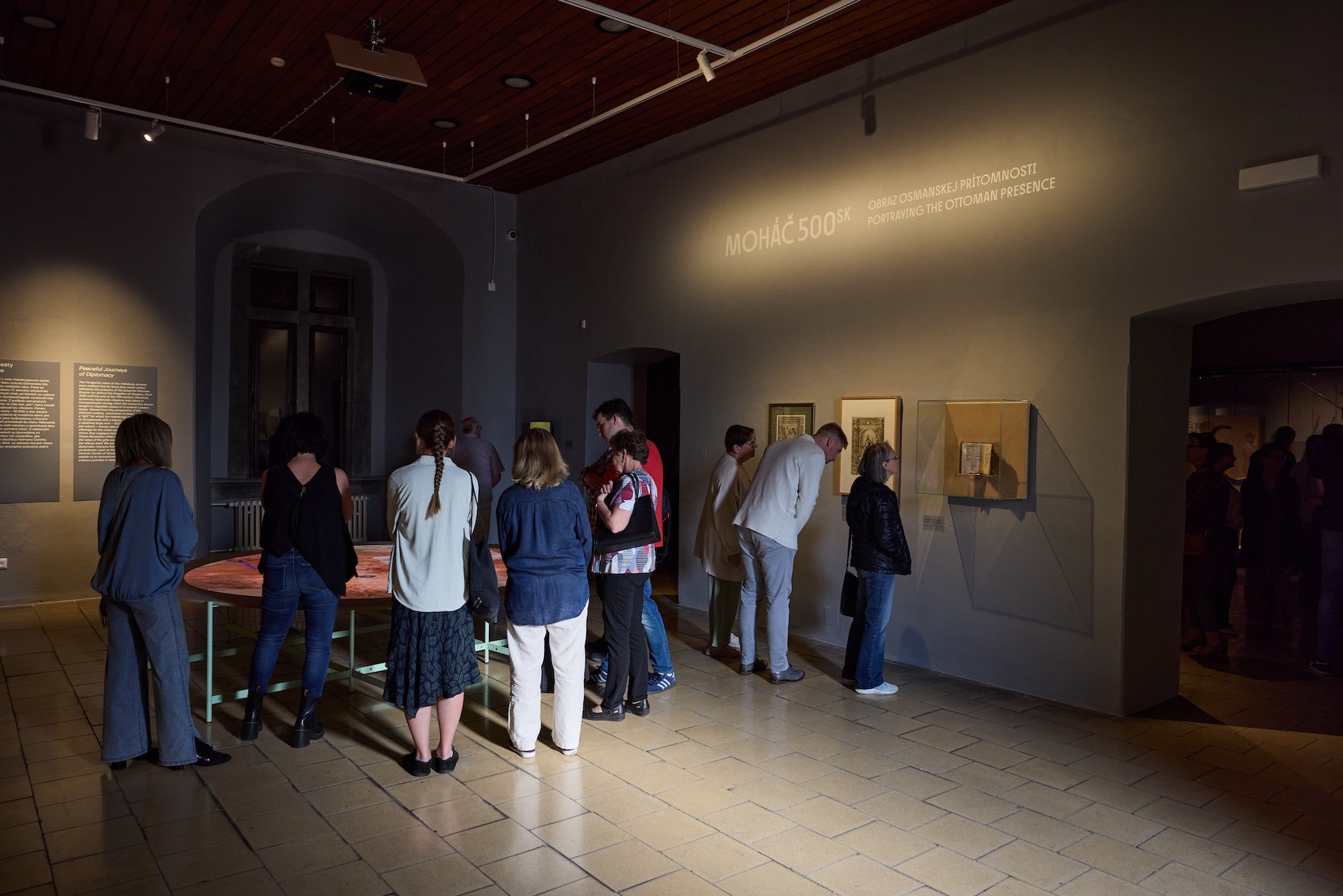
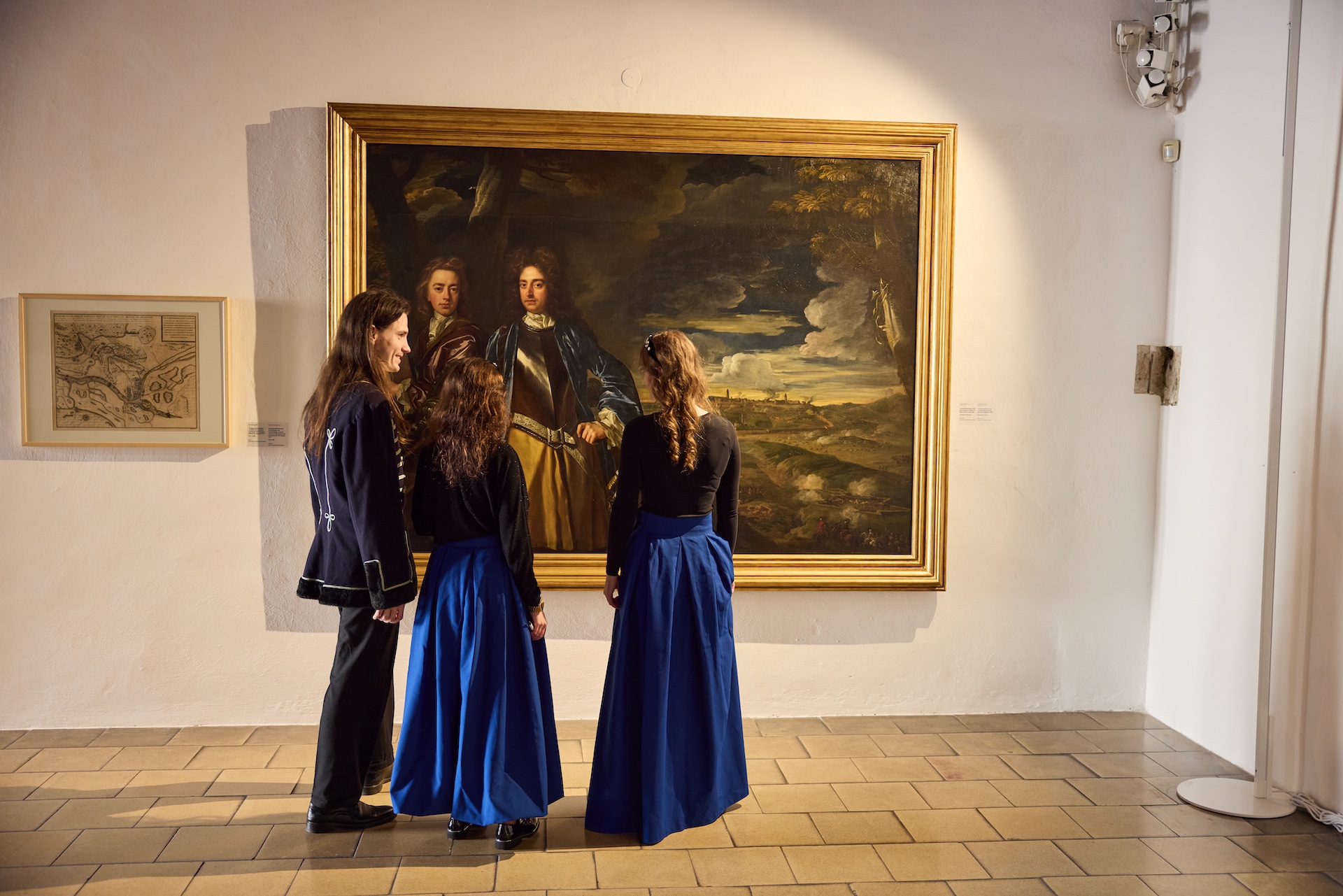
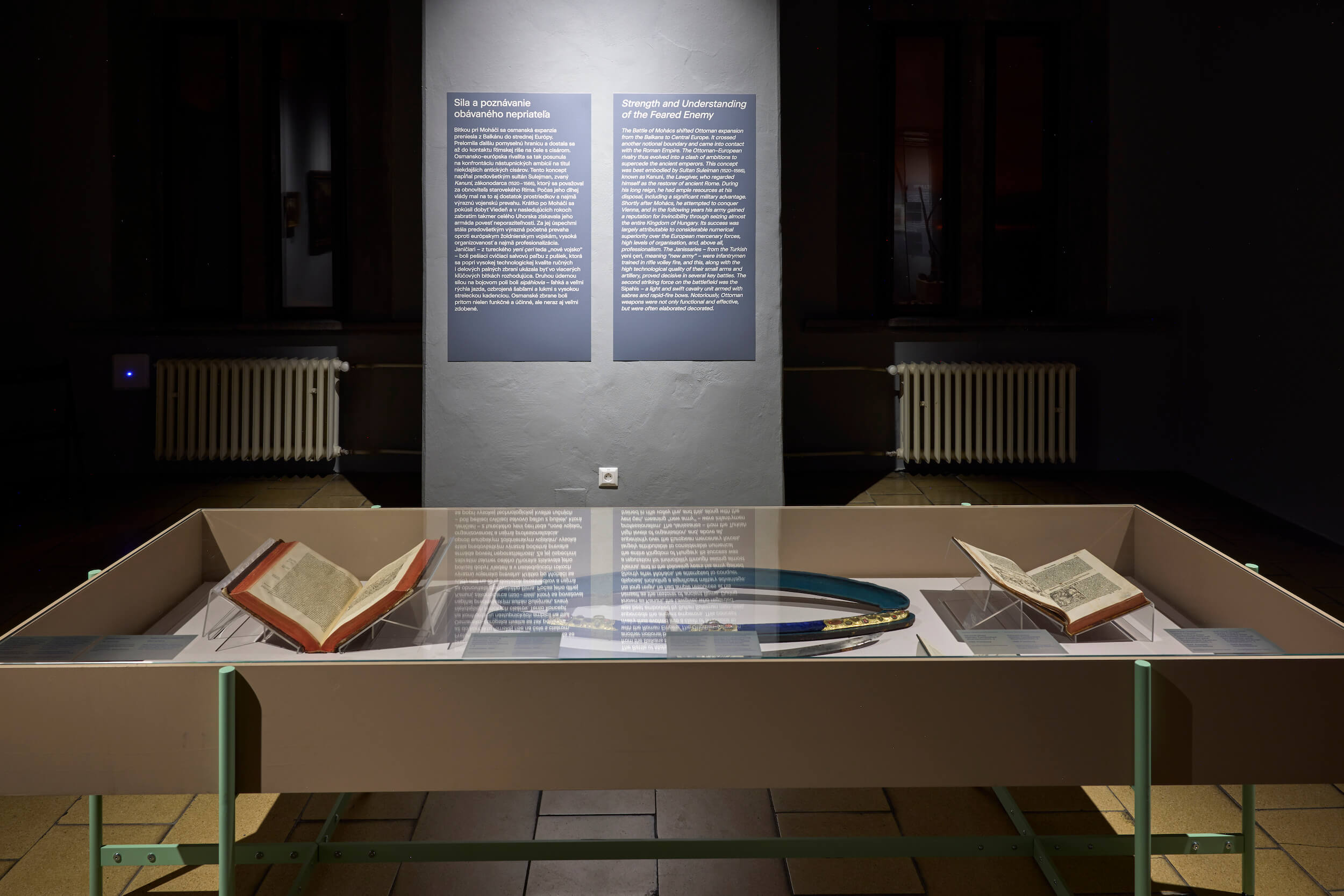
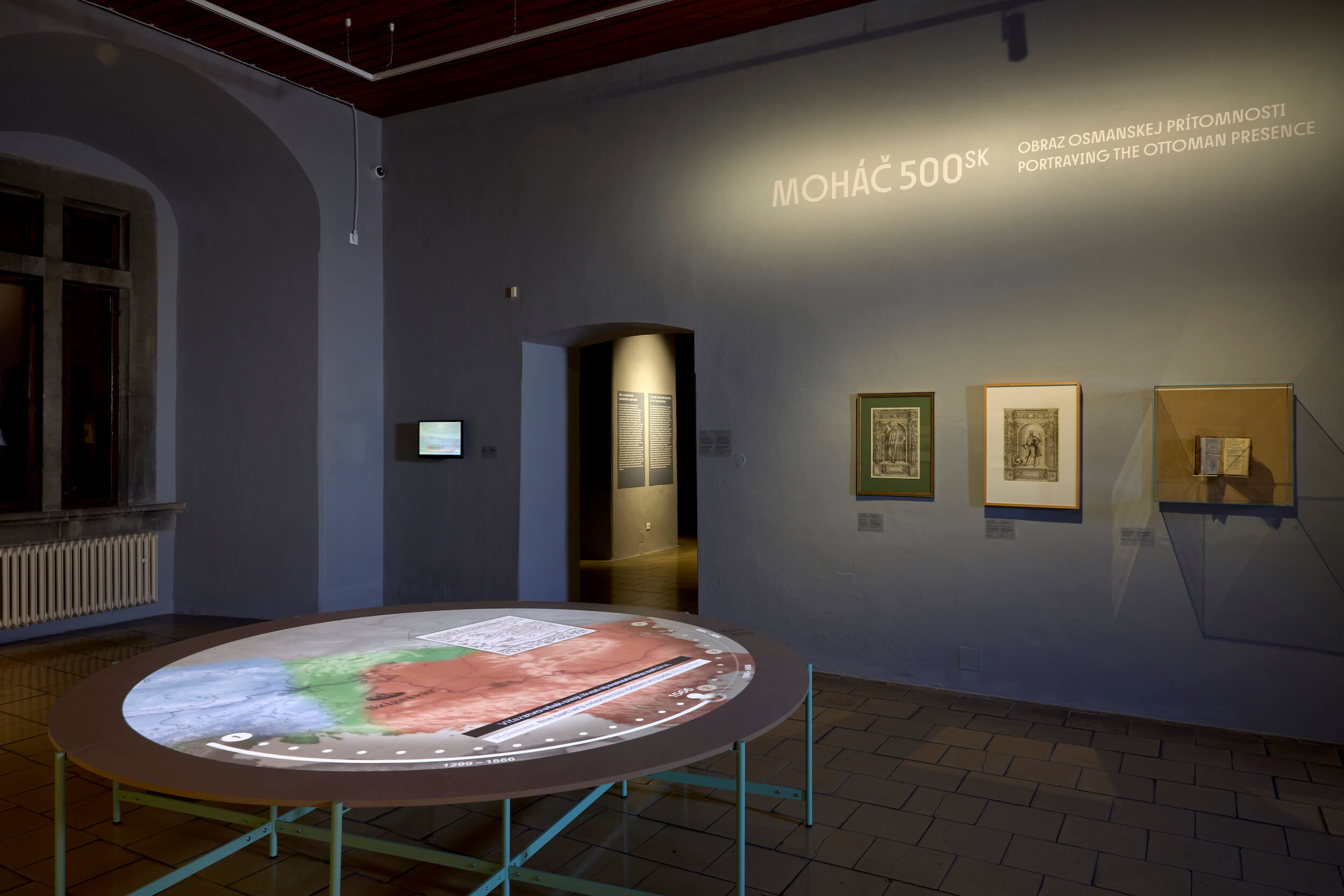
MOHÁČ 500SK: Images of the Ottoman Presence
/ guided tour
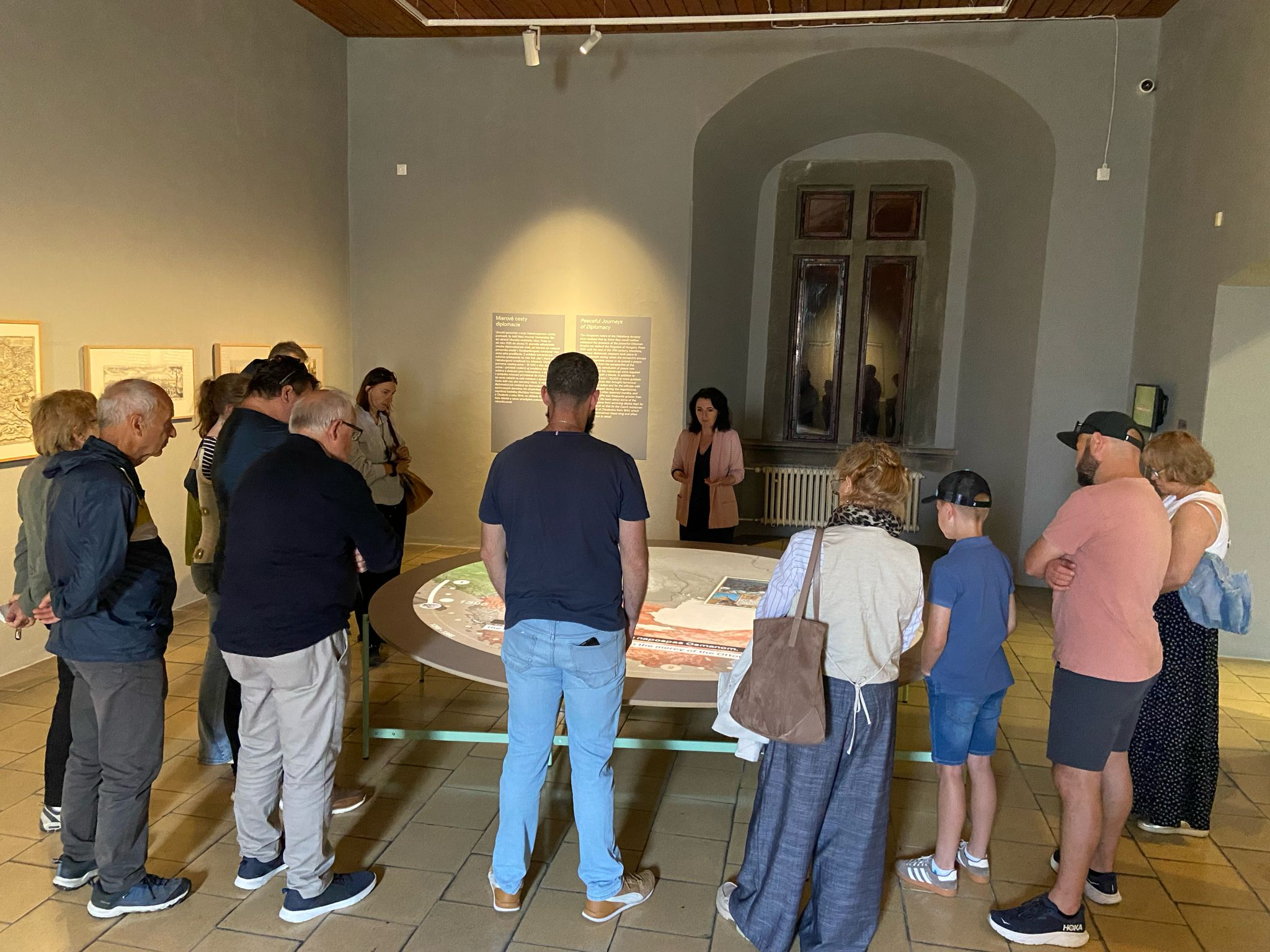
The guided tour of the exhibition will present Hungarian-Ottoman relations
in the 16th and 17th centuries, as well as the period when Zvolen Castle was
an important anti-Ottoman fortress and a place where the Hungarian Crown was stored.
-
24 September (Thursday) at 17:00
RENAISSANCE FORTIFICATION ARCHITECTURE DURING THE OTTOMAN-HUNGARIAN WARS
/ curator's lecture
Mgr. Denis Haberland
The lecture will explore the development of bastion fortification architecture
and show the important role it played during the Ottoman-Hungarian wars.
Mgr. Denis Haberland holds a certificate from the Ministry of Culture
of the Slovak Republic confirming his professional qualification to carry out
architectural-historical and art-historical research on protected heritage sites.
To date, he has carried out or participated in 20 extensive heritage research projects.
He has also worked on projects involving the survey, evaluation and methodology
for the restoration of 20th-century architecture. Within the SNG architecture collection,
he focuses primarily on works by architects born before 1905. In 2018, he collaborated
on the exhibition Architect Friedrich Weinwurm: A New Path
(SNG, curator Henrieta Moravčíková).
-
25 September (Friday) from 19:00
CASTLE INVESTIGATOR / guided tour and quiz
The guided tour of the exhibition
MOHÁČ 500SK: Images of the Ottoman Presence
will draw you into the turbulent world of historical events, political intrigue
and military strategies of the 16th and 17th centuries. Afterwards, you can test
your newly acquired knowledge in a quiz, with interesting prizes awaiting the best teams.
ADMISSION & REGISTRATION
- Price: €6 / person (includes the guided tour and quiz registration)
-
Programme:
- 19:00 Guided tour
- 20:00 Quiz in the Castle Café
-
Where to buy tickets:
- Online on the SNG Zvolen Castle website
- At the ticket office / on site
- Reservations: +421 45 245 30 01
-
Important information for teams (2–6 players):
After purchasing your tickets, whether together or individually, please send
your team name and number of team members
by email to:
lektori.zvolen@sng.sk
Notice for quiz participants:
The quiz is intended for teams of 2 to 6 players.
Tickets can be purchased in advance online, at the ticket office, or reserved
by calling
+421 45 245 30 01.
-
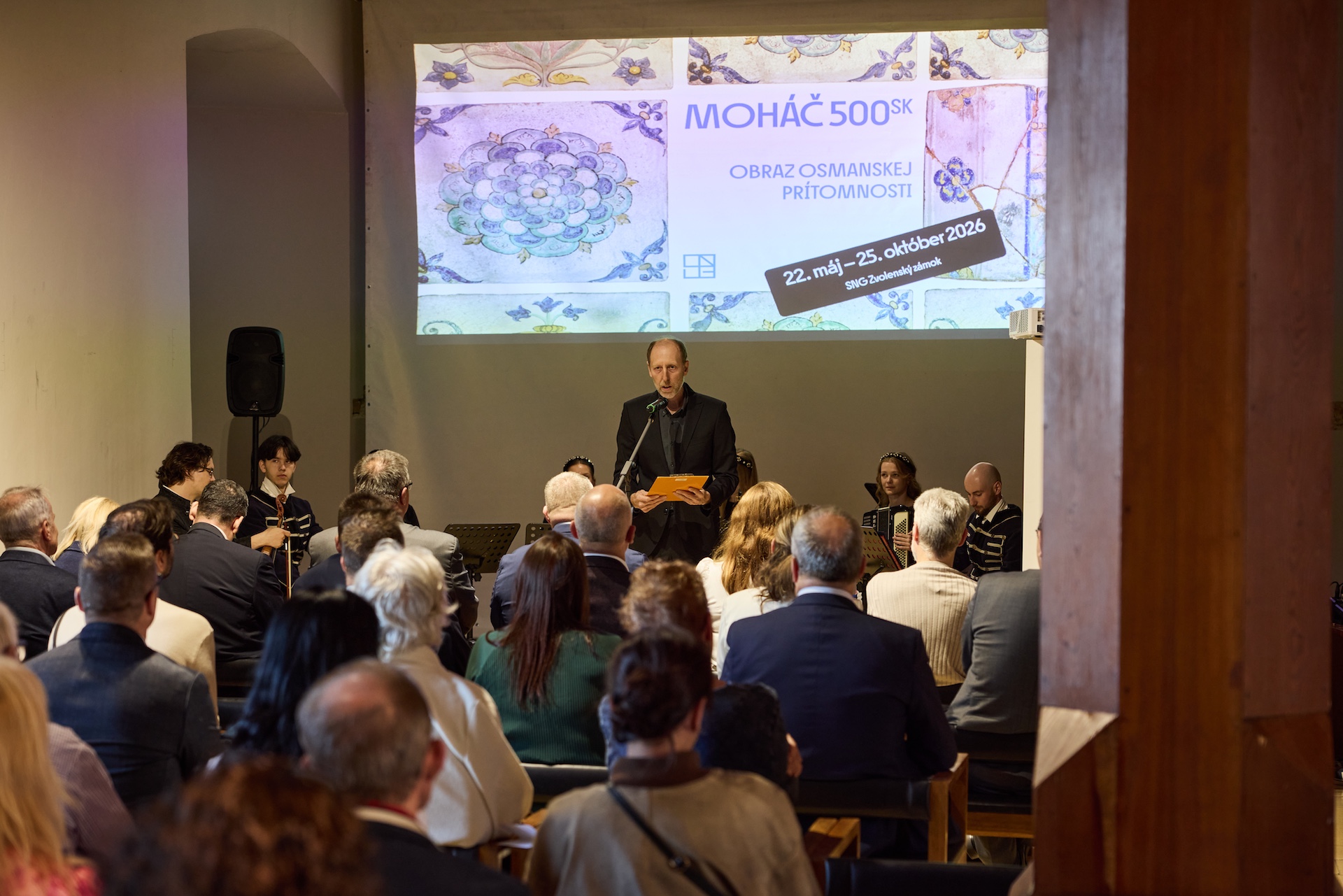
21 May 2026 (Thursday) at 17:00
Opening of the exhibition MOHÁČ 500SK: Images of the Ottoman Presence
The University Chamber Orchestra Mladosť of Matej Bel University in Banská Bystrica,
conducted by Pavol Martinka, will perform at the exhibition opening.
Three historical compositions will be presented, of which only melodic records
have survived to the present day. The harmonic accompaniment and instrumentation
were reconstructed by artistic director and conductor Pavol Martinka, combining
period compositional principles with the sound of modern instruments and selected
contemporary compositional elements in the accompanying voices and melodic line,
forming an organic part of the present-day interpretation of these rare musical monuments.
RUNDA REGIS
A noble dance from the Hungarian collection of songs and dances dating from 1730.
SONG ABOUT THE DEFEAT OF KING LOUIS IN 1526
The melody survived as a contrafactum in the collection of Ján Sylván:
New Songs on the Seven Penitential Psalms from 1571.
SONG ABOUT MURÁŇ CASTLE FROM 1549
The song was written by Martin Bošňák (Marek Mathias Bosnijak de Rudnijak).
Although he did not sign the work directly, he placed his name
“at the beginning of the verses. And this happened in the year of Our Lord
one thousand five hundred and forty-nine.”
-
23 May 2026 (Saturday) 15:00 – 23:00
Night of Museums and Galleries
The central theme of the event will be the historical event of 1621 –
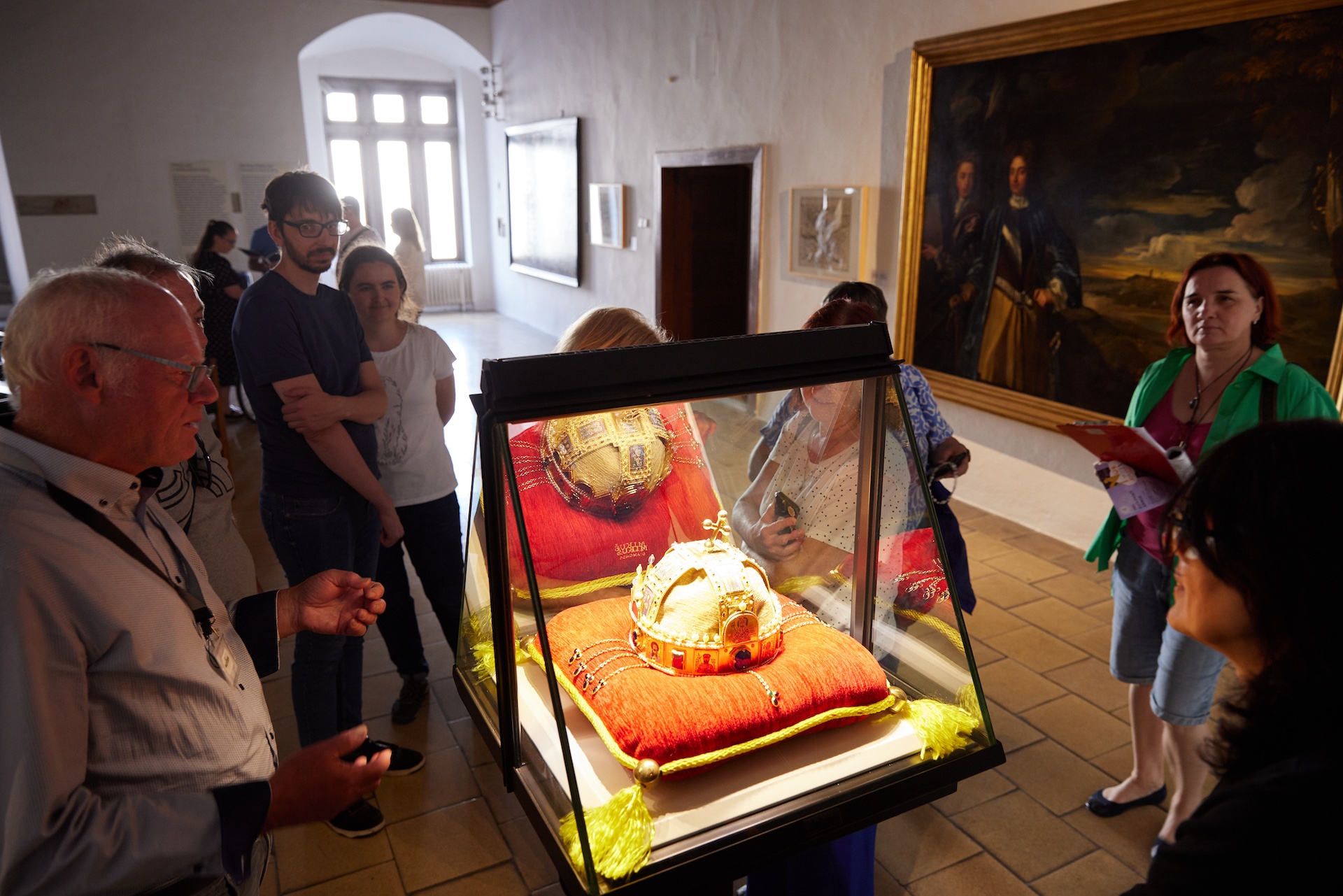
the storage of the Hungarian royal crown in the tower of Zvolen Castle.
Throughout the event from 15:00 to 23:00
MOHÁČ 500SK: Images of the Ottoman Presence
Individual tour of the exhibition on Hungarian-Ottoman relations
in the 16th and 17th centuries, held against the backdrop of the
500th anniversary of the Battle of Mohács.
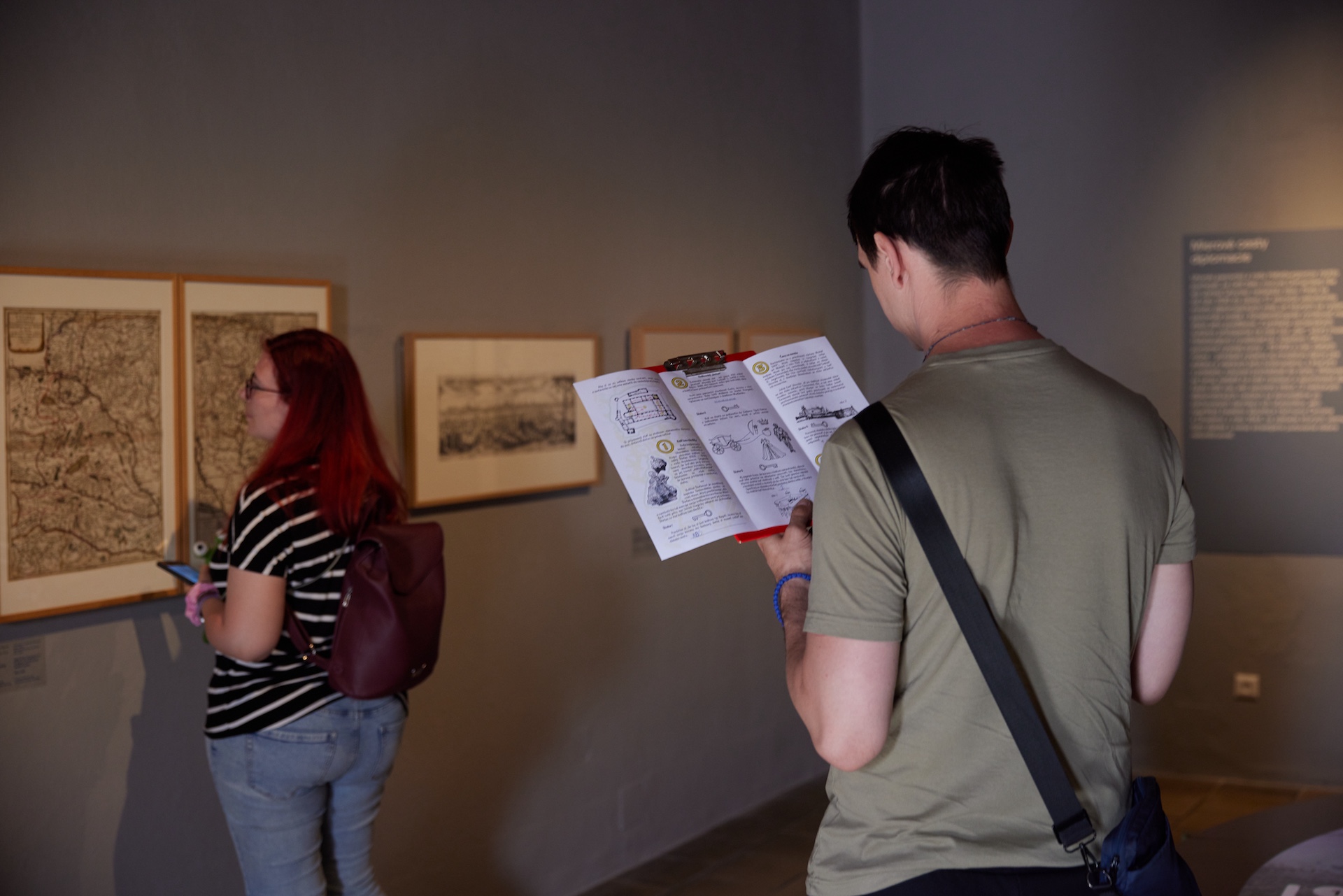
GUARDIANS OF THE CROWN
An interactive printed guide to the castle and exhibition will introduce
the events connected with the storage of the Hungarian royal crown in Zvolen.
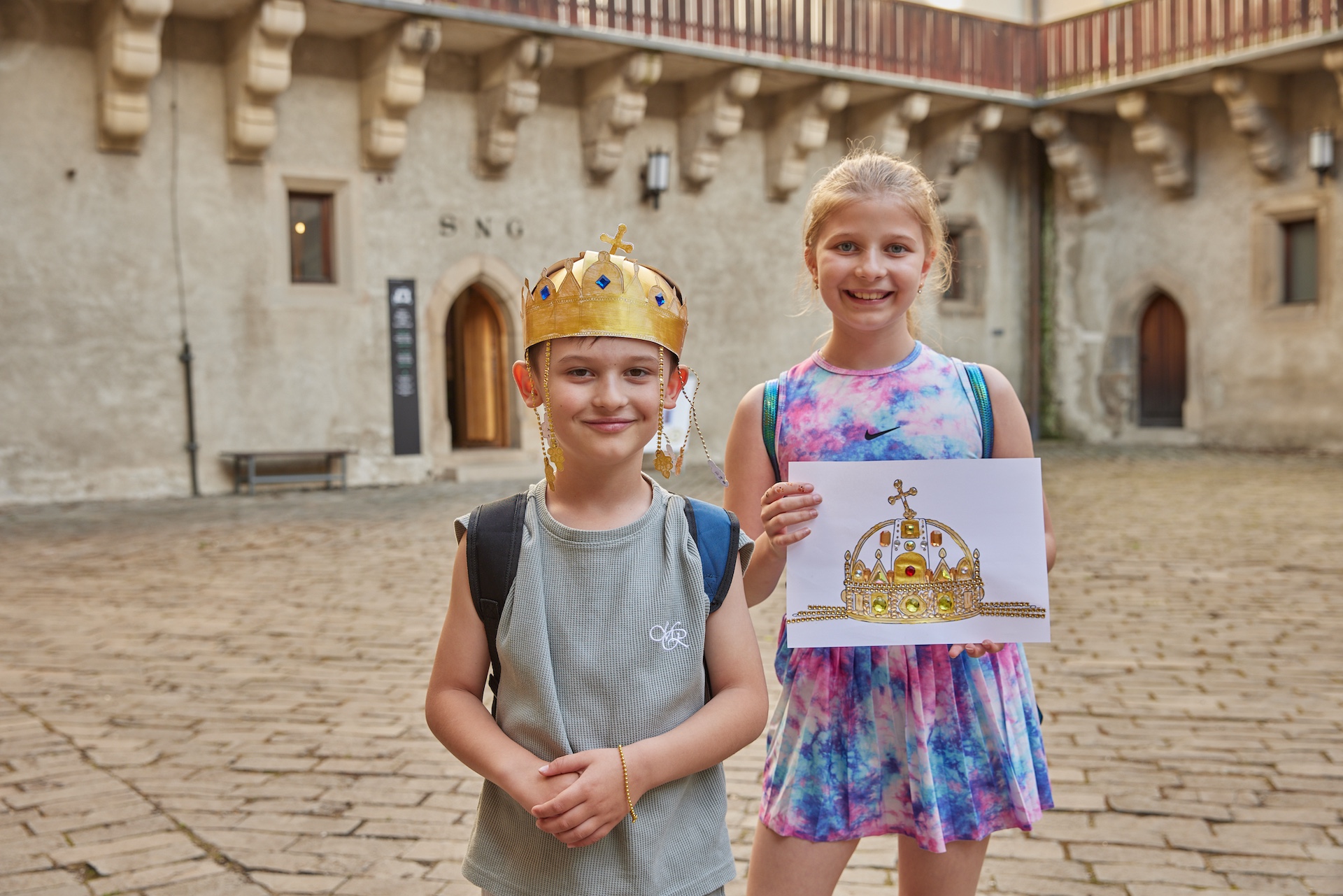
CROWNED HEADS
A creative workshop inspired by the Hungarian royal crown.
FLAVOURS OF THE OTTOMAN EMPIRE
Turkish coffee and baklava available at the Castle Café.
Special programme
15:00 and 18:00 MOHÁČ 500SK: Images of the Ottoman Presence
Curator-led tour of the new SNG exhibition, guided by exhibition curator Martin Čičo.
16:30 FROM ORIGINAL TO REPLICA
Goldsmiths Augustín Hôrka and Jozef Čičo will present the process of creating
the “Trenčín” replica of the Hungarian royal crown from the MIKUŠ DIAMONDS collection.
19:00 and 21:00 THE PLACE WHERE THE CROWN WAS KEPT
A guided tour will explain how the royal residence was transformed into
an anti-Ottoman fortress, which in 1620–1621 served as a storage place
for the Hungarian royal crown. Guided by art historian Michal Šimkovic.
-
18 June – 20 June
Zvolen City Days
During Zvolen City Days, we are preparing a programme for schools and the public
in both the exterior and interior areas of the castle. The central theme will be
Zvolen and Zvolen Castle as depicted in Willenberg's 1599 veduta.
The event will include a fair, performances by fencing groups and historical
reenactment groups, as well as video mapping. The exhibition spaces will host
creative workshops, guided tours and an expert discussion on Willenberg's veduta.
-
June, September, October
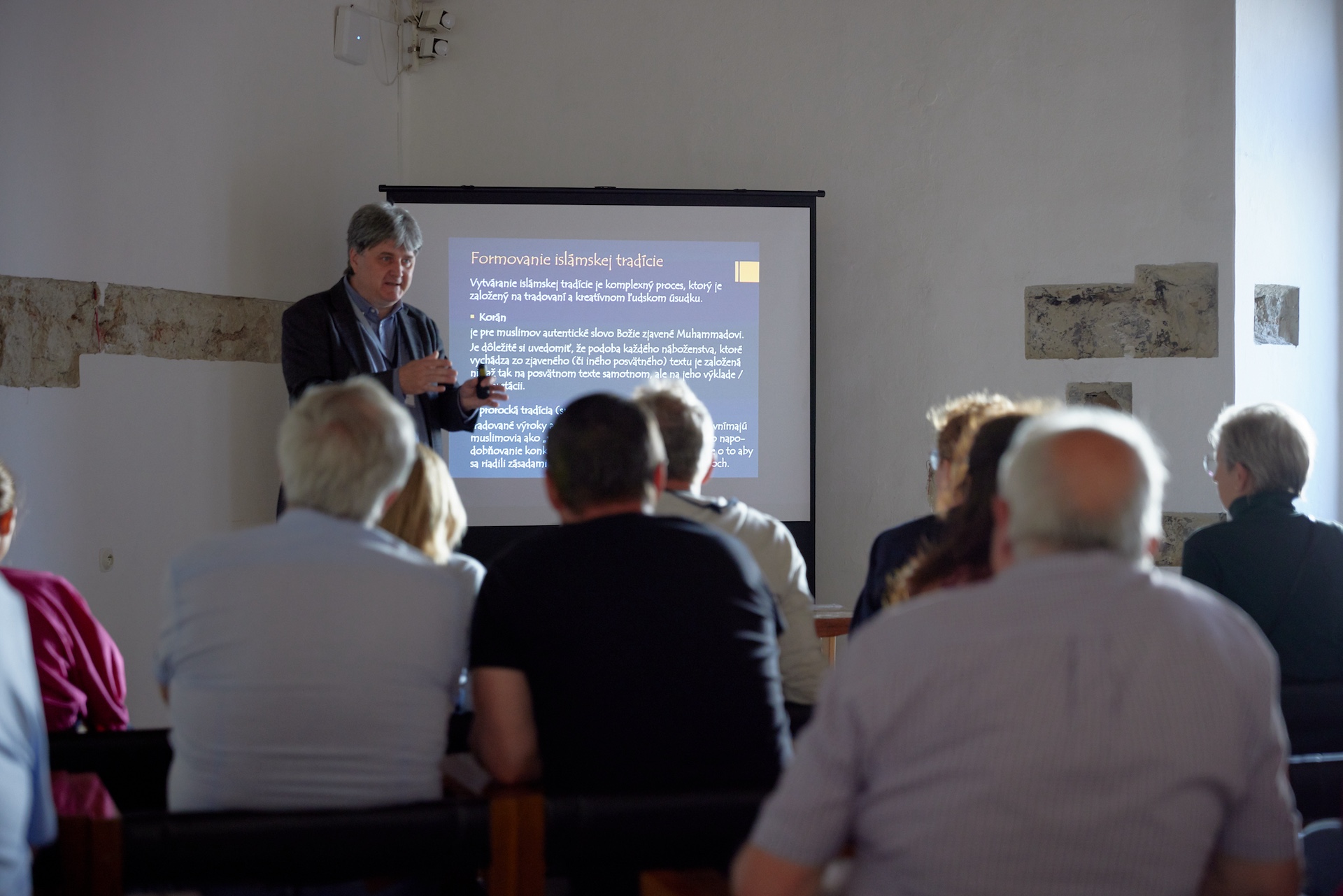
Lecture Series Accompanying the Exhibition
The lecture series will explore Hungarian-Ottoman relations in the 16th and 17th centuries
against the backdrop of the 500th anniversary of the Battle of Mohács, as well as topics
from the history of Zvolen, Zvolen Castle and the surrounding region during the period
of Ottoman expansion. Lectures will be given by specialists in art history, heritage
research of castles, history, archaeology, religious studies, literary studies
and related academic disciplines.
Zvolen – Forestry and Timber Museum
The City and the Ottomans
After the army led by Louis II Jagiellon was defeated by the forces of
Ottoman Sultan Suleiman I, the Ottomans occupied a large part of the
Kingdom of Hungary and advanced as far as the southern borders of present-day
Slovakia. The town of Zvolen thus found itself in close proximity to the
Ottomans and faced years of great suffering and loss.
Zvolen Castle, led by its captain, became the centre of defence for the region,
which included wealthy mining towns such as Kremnica, Banská Štiavnica and
Banská Bystrica. People lived in constant fear of Ottoman raids, while the
presence of troops stationed at the castle made everyday life even more difficult.
The lives of the inhabitants were also disrupted by the uprisings of the
Hungarian estates against the Habsburgs. Following fighting between the forces
of Gabriel Bethlen and the Imperial army in 1621, Zvolen was looted and burned.
The inhabitants began fortifying the town with palisades, wooden gates and
earthworks, later constructing stone fortifications, particularly under the
supervision of Italian builders. The fortifications were not completed until 1667.
The fortification of the town provoked the Ottomans and led to further raids.
The surrounding villages were particularly vulnerable, as they had little means
of defending themselves. Many inhabitants of Slatinka, Lieskovec, Hájniky and
Kováčová were taken captive. The Ottomans never conquered Zvolen, but their raids
caused immense human suffering and material losses.
Forestry and Timber Museum in Zvolen
The Forestry and Timber Museum is a specialised museum with nationwide scope
in the documentation of forestry and the timber industry. At the same time,
it documents the development of nature and society in the Zvolen region.
Its collections cover forestry, the timber industry, mycology, history,
archaeology, numismatics and ethnography.
It continues the legacy of the Forestry Museum in Bratislava, which was part
of the Agricultural Museum (1927), and the Municipal Museum in Zvolen (1942).
Since 1992, its activities have combined the missions of both of these historical
and cultural memory institutions. In 2008, the museum became an organisational
part of the state enterprise LESY Slovenskej republiky.
Learn more.
Ottoman-themed Programmes and Events in 2026
-
23 May 2026
Night of Museums and Galleries
Ottoman Camp – a theatrical performance featuring
a re-enactment of an Ottoman raid on a village, fencing demonstrations
and archery displays performed by the ARQUEROS archery association.
Ottoman Detective Game – a search for the Ottoman
“legacy” hidden throughout the museum's exhibitions.
-
7 July – 3 October 2026
Exhibition: The Ottoman Legacy
The exhibition presents an overview of selected elements introduced
by the Ottomans to the territory of present-day Slovakia, influencing
local culture, language and gastronomy. Although the exhibition reminds
us of what the Ottomans left behind – including some positive influences –
we should not forget the price our ancestors had to pay for it.
Trnava
The City and the Ottomans
Following the Battle of Mohács in 1526, Trnava became one of the most
important centres of Upper Hungary. After the Ottoman occupation of Buda,
the city assumed many administrative, ecclesiastical and cultural functions,
making it one of the key cities of the Kingdom of Hungary. It became the
seat of the Archbishopric of Esztergom, the home of Trnava University,
and an important centre of education, architecture and commerce.
Although Trnava was never occupied by the Ottoman Empire, its history was
closely connected with the Ottoman-Habsburg wars, the defence of the
kingdom and the political transformations that followed the Battle of
Mohács. Today, the city remains an important centre for research and the
presentation of this remarkable historical period.
West Slovak Museum in Trnava
Location: Múzejné námestie 3, Trnava
The West Slovak Museum in Trnava is one of Slovakia's leading institutions
dedicated to the study of the Early Modern period and the Ottoman-Hungarian
conflicts. In 2026, it will host a series of scholarly events marking the
500th anniversary of the Battle of Mohács.
Ottoman-themed Events in 2026
-
16 September 2026
The Battle of Mohács (1526) – War, Politics and Hungarian Society
A scholarly colloquium commemorating the 500th anniversary of the
Battle of Mohács and examining its political, social and cultural
consequences for Central Europe. Speakers include historians from
Trnava University and Matej Bel University.
-
10–11 November 2026
MOHÁCS 1526–2026
An international academic conference commemorating the 500th
anniversary of the Battle of Mohács. Topics include pre-Mohács
Hungary, the Ottoman expansion, the development of Bratislava and
Trnava after 1526, urban defence, the cultural impact of Ottoman
rule and the historical memory of the Ottoman wars.
Trenčín
The City and the Ottomans
During the 16th and 17th centuries, Trenčín was an important administrative
and defensive centre of north-western Hungary. Following the Battle of
Mohács, it became part of the Habsburg defensive system against the
Ottoman Empire, while Trenčín Castle played a key role in protecting
strategic trade routes and the northern regions of the kingdom.
Although the Ottomans never captured Trenčín, the city was significantly
influenced by the political, military and economic consequences of the
long Ottoman-Habsburg conflicts.
Trenčín Museum
To commemorate the 500th anniversary of the Battle of Mohács, the
Trenčín Museum has prepared a major historical exhibition presenting the
dramatic events of 1526–1683 through authentic artefacts, weapons and
historical documents.
Ottoman-themed Events in 2026
-
16 June – 1 November 2026
Exhibition: Mohács and Its Legacy
Held at Trenčín Castle, the exhibition explores the Battle of Mohács,
the collapse of medieval Hungary, the Ottoman-Habsburg struggle and
its lasting impact on present-day Slovakia. The exhibition features
historical weapons, military equipment and rare historical books.
Bojnice
The City and the Ottomans
Bojnice is closely connected with the history of the Battle of Mohács
through the Zápolya family. Juraj Zápolya, the owner of the Bojnice
estate and younger brother of the future King John I of Hungary, lost
his life during the battle in 1526.
The subsequent Ottoman expansion profoundly shaped the history of the
Kingdom of Hungary, including the Upper Nitra region. Today, Bojnice
Castle preserves the memory of the personalities and events that
influenced the history of Central Europe.
Slovak National Museum – Bojnice Museum
The museum has prepared a special exhibition marking the 500th
anniversary of the Battle of Mohács. Through historical artefacts,
documents and photographs, it presents the period between 1526 and 1687
and its significance for present-day Slovakia and Central Europe.
Ottoman-themed Events in 2026
-
August – November 2026
Exhibition: From Mohács to Mohács – From Defeat to Victory (1526–1687)
A historical and educational exhibition presenting the Ottoman-Hungarian
conflicts, important personalities of the 16th and 17th centuries,
and their impact on the Upper Nitra region, Slovakia and Central Europe.
Fiľakovo
The Town and the Ottomans
Fiľakovo has a rich historical past, and its fate was influenced for many centuries by events connected with the Turkish occupation of the region. After the defeat at Mohács in 1526, King Ferdinand I built a strong network of border castles protecting the wealthy mining area of present-day central Slovakia. A key point was Fiľakovo Castle, which the Turks conquered in the 16th century, and the town became the seat of the northernmost sanjak of the Ottoman Empire for 40 years. From there, the Turks directed their campaigns and established a system of rule in the conquered territory based on a permanent army and administrative bureaucracy. Although imperial troops recaptured the castle at the end of the century, the Turks definitively occupied and set it on fire in 1682.
Castle Museum in Fiľakovo
The Castle Museum in Fiľakovo focuses on archaeological, historical, and ethnographic research into Fiľakovo and its surroundings. It specialises in local and regional history from the earliest periods to the modern era, the history of products made by the local factory, Palóc folk furniture, and natural history monuments in the area. The institution is active in archaeology, focusing on research into Fiľakovo Castle and the town. The museum’s exhibition spaces are located in the Bebek Bastion of the castle, in the town Reduta building, and in a World War II air-raid shelter beneath the castle hill.
Website: https://www.hradfilakovo.sk/
Ottoman-themed programmes and events in 2026
The Castle Museum in Fiľakovo presents the fascinating period of Ottoman rule through an exhibition running from 23 May to 15 November 2026. In 2026, the museum has prepared a series of events dedicated to the period of Turkish occupation of the region and the history of Fiľakovo Castle as the seat of the northernmost sanjak of the Ottoman Empire. The programme will introduce visitors to the period of Ottoman administration through exhibitions, expert lectures, historical demonstrations, and thematic events.
- 23 MayFiľakovo in the Shadow of the Ottoman Empire – exhibition opening as part of the Night of Museums and GalleriesExpert lecture in Salgótarján, Hungary, dedicated to archaeological finds and the history of Fiľakovo during the Ottoman Empire.
- 23 May – 15 NovemberFiľakovo in the Shadow of the Ottoman EmpireExhibition dedicated to the period of Turkish occupation of Fiľakovo and Ottoman administration of the region.
- 15 AugustHistorical Morning in FiľakovoAs part of Fiľakovo Town Days, with a thematic programme dedicated to the period of Ottoman administration.
- 14 SeptemberEuropean Heritage DaysExpert guided tour of the exhibition and presentation of period weapons.
- 27 SeptemberWorld Tourism DayGuided tour of the castle in period Turkish costume, expert guided tour of the exhibition, and presentation of historical weapons.
Banská Štiavnica
The Town and the Ottomans
Banská Štiavnica was one of the most important mining towns of Upper Hungary and played an important role in the economic and defensive system of the Habsburg Monarchy during Ottoman expansion. The wealth of the local mines helped finance part of the anti-Turkish defence. Although the town never came directly under Ottoman rule, in the 16th century Banská Štiavnica strengthened its town walls, built defensive bastions, and established two dominant fortresses – the Old Castle and the New Castle. The Old Castle, originally a parish church, was rebuilt as a fortress intended to protect the town from possible Turkish attacks and also served as a refuge for inhabitants. The New Castle, built as a watchtower and defensive tower, became an even more prominent symbol of anti-Turkish defence. It formed part of a network of warning fortresses across central Slovakia. From there, the garrison monitored the movement of Ottoman troops and used signal fires to warn surrounding towns of danger.
Today, the anti-Turkish fortifications are among the town’s most important historical monuments and recall the period when Banská Štiavnica was an important part of Upper Hungary’s defence system against the expansion of the Ottoman Empire.
Slovak Mining Museum
Website: https://www.muzeumbs.sk/
The Slovak Mining Museum is a specialised organisation that collects, scientifically and professionally processes, and makes accessible material documents relating to the comprehensive documentation of the development of mining, related mining fields, geology, and the development of mining towns and areas in Slovakia, especially Banská Štiavnica. An important part of its activity is documenting the history of Banská Štiavnica and its surroundings.
Ottoman-themed programmes and events in 2026
The Slovak Mining Museum in Banská Štiavnica is preparing a series of events in 2026 dedicated to the period of the Ottoman wars and the 500th anniversary of the Battle of Mohács. The programme will present the historical context of the anti-Turkish defence of mining towns, everyday life during the period of Ottoman threat, and period military culture through expert lectures, historical demonstrations, and interactive activities for the public.
- 23 MayNight of Museums and Galleries – Ottoman Route (New Castle)Family game, firearms presentation, calligraphy workshop, digital presentation Transformations of the New Castle over Time, historical military camp, and demonstration of period cuisine with food tastings.
- 8 AugustCitadel – Ottoman Route (Old Castle)A cycle of expert lectures dedicated to everyday life in mining towns, the miners’ uprising of 1525–1526, shooting societies, Renaissance architecture during the Ottoman wars, Ottoman textiles, and Hungarian noble dress. The programme will also include historical craft demonstrations, drummer performances, and a historical military camp with presentations of firearms, archery, and crossbow shooting.
Svätý Anton
The Village and the Ottomans
In the 16th and 17th centuries, Svätý Anton was part of a region strongly influenced by the Hungarian-Ottoman wars and the constant threat of Ottoman raids. Although the village did not lie directly on the main battle line, it belonged to the hinterland of the central Slovak mining towns, which were of great economic importance to the Habsburg Monarchy. After the Battle of Mohács, the territory of southern Slovakia became a border region between the Habsburg Monarchy and the Ottoman Empire. Ottoman expeditions penetrated further and further north and also threatened the Hont region, to which Svätý Anton belonged. Villagers often faced plundering, abduction into captivity, or the obligation to supply troops and fortresses.
The importance of Svätý Anton was connected mainly with its location near Banská Štiavnica and with the development of noble residences during the anti-Turkish wars. Manor houses and noble buildings in the region were adapted to the defensive needs of the time. This period became part of the historical identity of the region, recalled today by local monuments, the museum, and cultural events dedicated to the period of anti-Turkish fighting.
Museum in Svätý Anton
Website: https://www.msa.sk/
The manor house in Svätý Anton belongs to a group of late Baroque feudal residences that arose during the major building activity of the Hungarian military aristocracy loyal to the Habsburgs and enriched by anti-Ottoman struggles. Count Andrej Koháry had the manor house built in its present form between 1744 and 1750. He came from a family that played an important role in the history of the Kingdom of Hungary during the anti-Ottoman wars and estate uprisings. Today, the manor house houses a museum with art-historical and hunting exhibitions.
In 2026, the Museum in Svätý Anton is preparing an exhibition dedicated to the Koháry family and their important role during the anti-Ottoman wars and estate uprisings. The programme will introduce visitors to the historical context of the military aristocracy in the Kingdom of Hungary and the history of the Svätý Anton manor house connected with the Koháry family.
Ottoman-themed programmes and events in 2026
- 6 JuneExhibition The Kohárys – the Rise of the Family and Its Participation in the Anti-Ottoman WarsOpening of the exhibition dedicated to the Koháry family and their activities during the struggles against the Ottomans. The opening will include a performance by Ensemble Thesaurus Musicum.
Modrý Kameň
The Town and the Ottomans
The region around Modrý Kameň was an important contact area between the Christian north of Hungary and territories under Ottoman influence during the period of Ottoman expansion. Thanks to its strategic location, Modrý Kameň and its castle belonged among the important border settlements of southern Slovakia as part of Upper Hungary’s anti-Turkish defence system. In the 16th century, Modrý Kameň was under constant threat from Turkish raids. The Ottomans managed to conquer the castle in 1575 during extensive military operations in Novohrad. During the attacks, the castle was heavily damaged and part of the population was killed or taken into captivity. After the occupation, the region came under strong Ottoman pressure and the surrounding area suffered frequent raids, plundering, and high taxes. The anti-Turkish wars left a deep mark on the town and influenced its economic and social development for decades.
Today, Modrý Kameň Castle is one of Slovakia’s important historical monuments and recalls the period when the southern areas of present-day Slovakia formed the border between the Habsburg Monarchy and the Ottoman Empire.
SNM – Museum of Puppet Cultures and Toys, Modrý Kameň Castle
Website: https://hradmodrykamen.sk/
Modrý Kameň Castle is the dominant feature of the village, and its history is closely linked with Hungarian-Ottoman conflicts. In 2026, the Museum of Puppet Cultures and Toys at Modrý Kameň Castle is preparing a series of events dedicated to the 500th anniversary of the Battle of Mohács, Ottoman expansion, and the anti-Turkish defence of the Ipeľ region. The programme includes expert seminars, historical programmes, interactive activities for children, and thematic evening tours of the castle.
Ottoman-themed programmes and events in 2026
- 15 MaySeminar The Battle of Mohács – the Beginnings of the YokeExpert lectures dedicated to the broader historical context of the Battle of Mohács, the personality of František Balaša, the anti-Turkish defence of the Ipeľ region, Ottoman campaigns around Modrý Kameň Castle, and the impact of the Battle of Mohács on the region.
- 23 MayNight of Museums and GalleriesNight tours of exhibitions, an animation programme in the exhibition František Balaša – Hero from Mohács, the historical-dramatic programme The Last Supper 1526, and archery.
- 27 – 29 MayChildren’s Days – Adventure at MohácsInteractive programme for children focused on Ottoman expansion, castle defence, and historical stories through games, creative activities, and group tasks.
- 15 AugustNight Summer Walks – Shadows of Ottoman WarriorsNight journey through the castle with storytelling, legends, weapon demonstrations, and thematic scenes.
- November 2026Battle of Belgrade 1717Commented presentation of a painting depicting the battle of imperial troops led by Eugene of Savoy against the Ottomans for the city of Belgrade.
Krupina
The Town and the Ottomans
In the 16th and 17th centuries, Krupina was one of the important free royal towns of Upper Hungary and played an important role in defence against Ottoman expansion. The town lay on a strategic trade route between southern Hungary and the mining towns, making it an important defensive and economic point. At that time, Krupina significantly strengthened its fortifications. Stone walls, bastions, and defensive gates were built, some of which have survived to this day. Krupina’s fortifications were among the most important urban defence systems in the region and were adapted to new forms of warfare, including the use of artillery.
The Vartovka watchtower above the town played an exceptionally important role during the anti-Turkish wars. It served as an observation point and signal station from which guards used fire and smoke signals to warn inhabitants of the movement of Ottoman troops. It was part of an extensive network of warning stations across central Slovakia.
Today, the historical fortifications, bastions, and Vartovka recall the period when Krupina was one of the important defensive towns of Upper Hungary on the border with the Ottoman Empire.
Andrej Sládkovič Museum
Website: https://krupina.sk/muzeum-andreja-sladkovica-v-krupine
The Andrej Sládkovič Town Museum has its permanent exhibitions divided into two parts – the history of the town and a literary section dedicated to important figures and natives of Krupina, with an emphasis on the life and work of Andrej Sládkovič and Elena Maróthy-Šoltésová. A significant part of the permanent exhibition consists of the history of Krupina, from the earliest settlement of the territory through the formation and development of the town and its population to the most important events in the town’s rich history.
In 2026, the Andrej Sládkovič Museum in Krupina is preparing a series of events dedicated to the period of Ottoman fighting and traces of the Ottomans in the town. The programme includes lectures, guided town walks, and historical events recalling the period of anti-Turkish fighting. Due to reconstruction, the museum has been closed since March 2026, so the events take place outdoors in the town of Krupina.
Ottoman-themed programmes and events in 2026
- April / MayOpening the Gates of the Town of KrupinaHistorical combat demonstrations performed by the fencing group Vir Fortis.
- May – OctoberThe Underground of KrupinaAccess to the cellars of the civic association Podzemie Krupiny on A. Sládkovič Street according to visitors’ requests during weekdays and weekends.
- 27 SeptemberFollowing the Traces of the Ottomans in the Town of KrupinaGuided walk through the town, including the square, Roman Catholic church, town walls, Turkish wells, and Vartovka.
- Throughout the yearThe Period of Ottoman Fighting in the Museum CollectionsLecture dedicated to museum collection items connected with the period of Ottoman fighting and the history of the town of Krupina.
Pukanec
The Town and the Ottomans
In the 16th and 17th centuries, Pukanec was one of the important mining towns of Upper Hungary and was indirectly affected by Ottoman expansion after the Battle of Mohács. The extraction of precious metals in the region was of great economic importance because the Habsburg Monarchy needed funds to wage anti-Turkish wars. It was therefore necessary to protect the mining towns from the Ottomans. During a period of increased danger, Pukanec built defensive fortifications and walls of stone and brick with two gates, the lower gate from Levice and the upper gate toward Banská Štiavnica. Work continued under the supervision of the military council until 1590, with the participation of imperial fortification engineers assisted by Italian specialists. Sixty houses, one third of all houses in Pukanec, fell victim to the construction of the fortifications. The defensive system also included watch and signal points that warned inhabitants of possible raids by Turkish units. Pukanec became a smaller border fortress with a garrison of only 50 men.
Several parts of the historical fortifications have survived in Pukanec to this day. The town fortifications and local traditions prove that even smaller mining towns were part of Upper Hungary’s defence system against the expansion of the Ottoman Empire.
Society of Pukanec History
Members of the Society of Pukanec History (SPH) uncover and preserve the cultural and historical heritage of Pukanec. To support and fulfil their efforts, Pukanec enthusiasts founded a museum in which they gathered information and exhibits connected with the medieval town, its mining past, and the period of Ottoman threat followed by development in the modern era. Since Pukanec is associated with many scholars and national figures, SPH also prepares exhibitions, lectures, commemorative events, and engages in publishing activities. In addition, it searches for and preserves historical objects, names, designations, and photographs connected with the past and present of Pukanec and its personalities.
Since the beginning of its activities, the Society of Pukanec History has dealt with Ottoman raids, which it presents through panels in the exhibition spaces of the museum display. It conveys these tragic events to visitors during guided tours of the town walls and the Gothic church. In 2026, it will commemorate the 500th anniversary of the Battle of Mohács with a series of events dedicated to the period of Ottoman threat, the town’s anti-Turkish fortifications, and the history of the Hont region.
Website: https://www.pukanec.sk/
Ottoman-themed programmes and events in 2026
- 16 MayNight of Museums and GalleriesGuided tour of the town walls and the Gothic Church of St Nicholas.
- 16 May – 31 AugustPukanec on the Border with the Ottoman EmpireExhibition dedicated to the period of Ottoman threat in the Hont region, supplemented by the lecture Ottomans in Hont in the 16th Century and a screening of the film The Terrible Night of Pukanec from the series Searching for Lost Worlds with Pavol Dvořák.
- 3 JulyMusical melodrama They Are ComingDramatisation of the duel between Pukanec captain Michal Bory and Aga Ibrahim, commander of the Drégely cavalry. The event will take place as part of the Pukanec Craft Markets.
- Throughout the yearGuided tours of the town walls and the Gothic Church of St NicholasTours dedicated to the period of Ottoman raids, the town’s anti-Turkish fortifications, and the history of Pukanec during the period of Ottoman threat.
Divín
The Village of Divín and the Ottomans
Divín and its surroundings belonged to the areas of southern central Slovakia that were strongly affected by the Hungarian-Ottoman wars. The strategic location of the village in the Novohrad region meant that Divín became part of Upper Hungary’s defensive zone against the advancing Ottoman Empire. In the context of historical events connected with the anniversary of the Battle of Mohács in 1526, the village of Divín and its castle hold an important place. The castle was an important watch and defence point protecting trade routes and surrounding settlements from Turkish raids. It was damaged several times during military conflicts and unrest that accompanied the period of anti-Turkish wars. Nevertheless, Divín Castle remained an important defensive point until the end of the 17th century, when the Ottoman threat gradually receded; it was looted, plundered, and finally destroyed by an explosion.
Divín Castle
The ruins of Divín Castle recall the period when southern Slovakia formed a border territory between two great powers. The castle and the village are an important part of the historical heritage of anti-Turkish fighting in Slovakia, which is why the municipality of Divín is preparing the third edition of the Balaša Castle Festival in 2026, dedicated to the history of Divín Castle, the Balaša family, and the period of anti-Turkish fighting after the Battle of Mohács. The programme in the grounds of Divín Castle will introduce visitors to historical events connected with the Divín estate through historical demonstrations, crafts, and accompanying performances.
Website: https://divin.sk/
Ottoman-themed programmes and events in 2026
- 20 JuneBalaša Castle FestivalFencing performances and duels, archery and crossbow shooting, a theatrical performance about the history of the castle and Imrich III Balaša, historical creative workshops, falconry performance, demonstrations of a military camp and historical weapons, musical performances, tastings of historical cuisine, and an evening fire show in the castle courtyard.

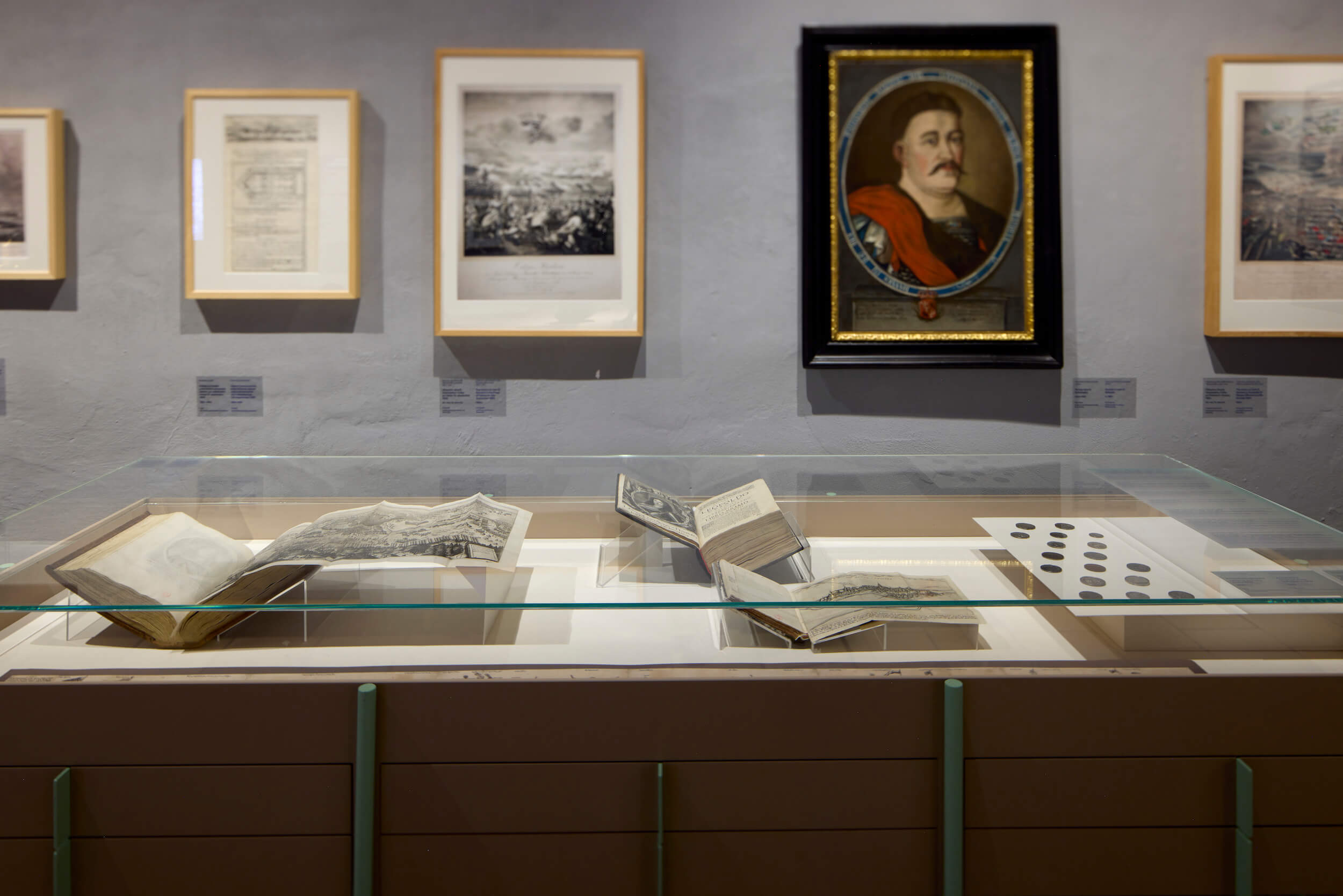


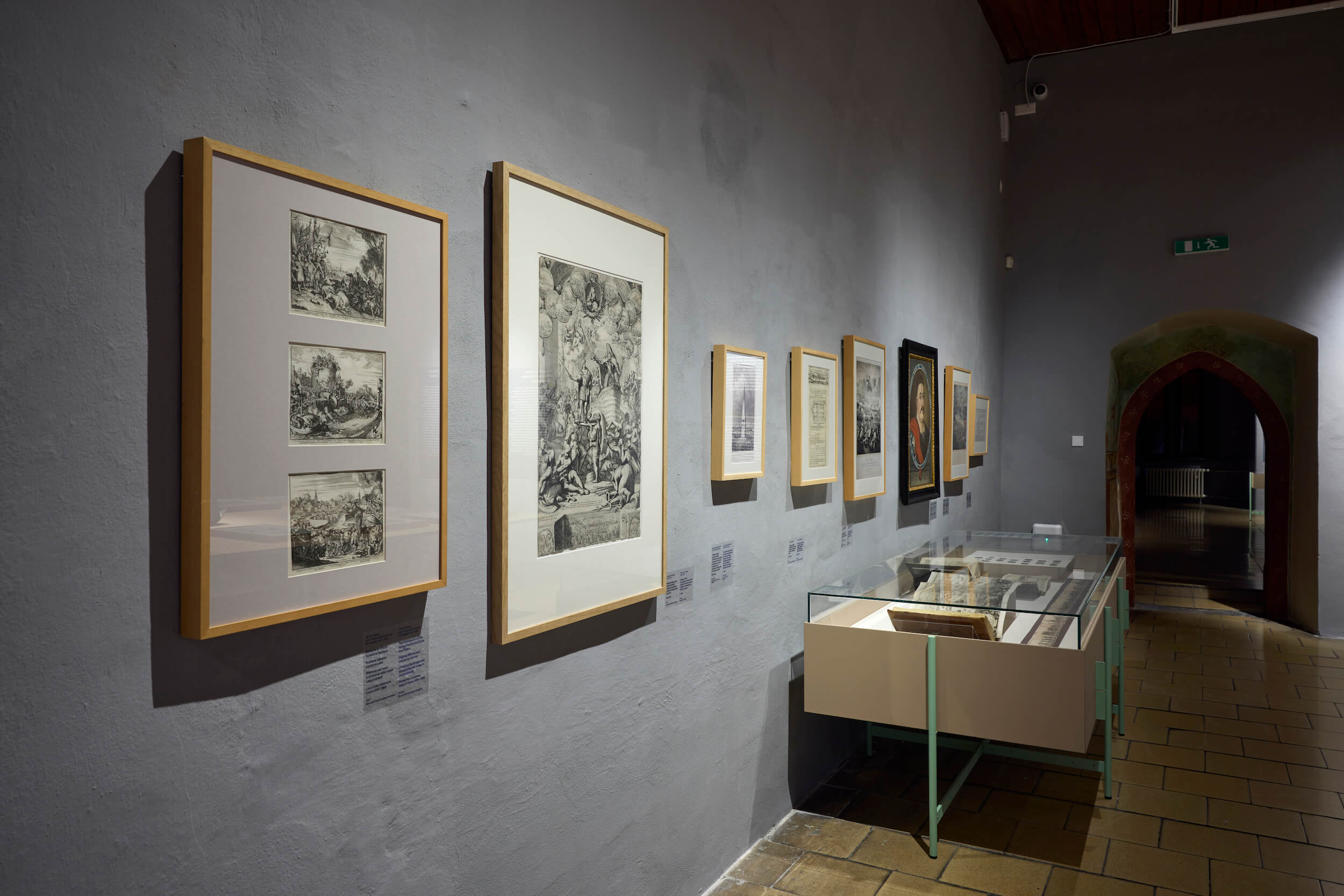
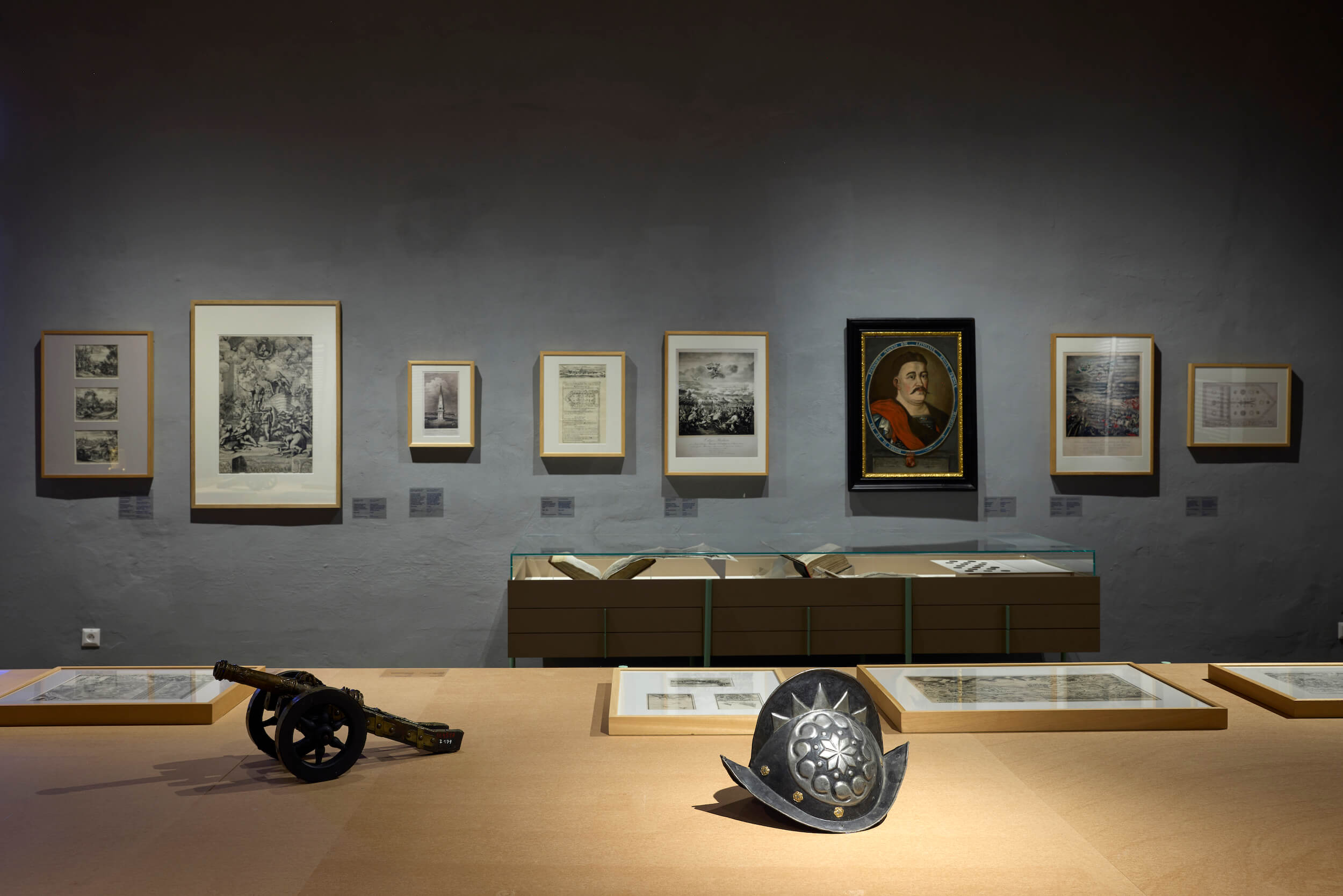


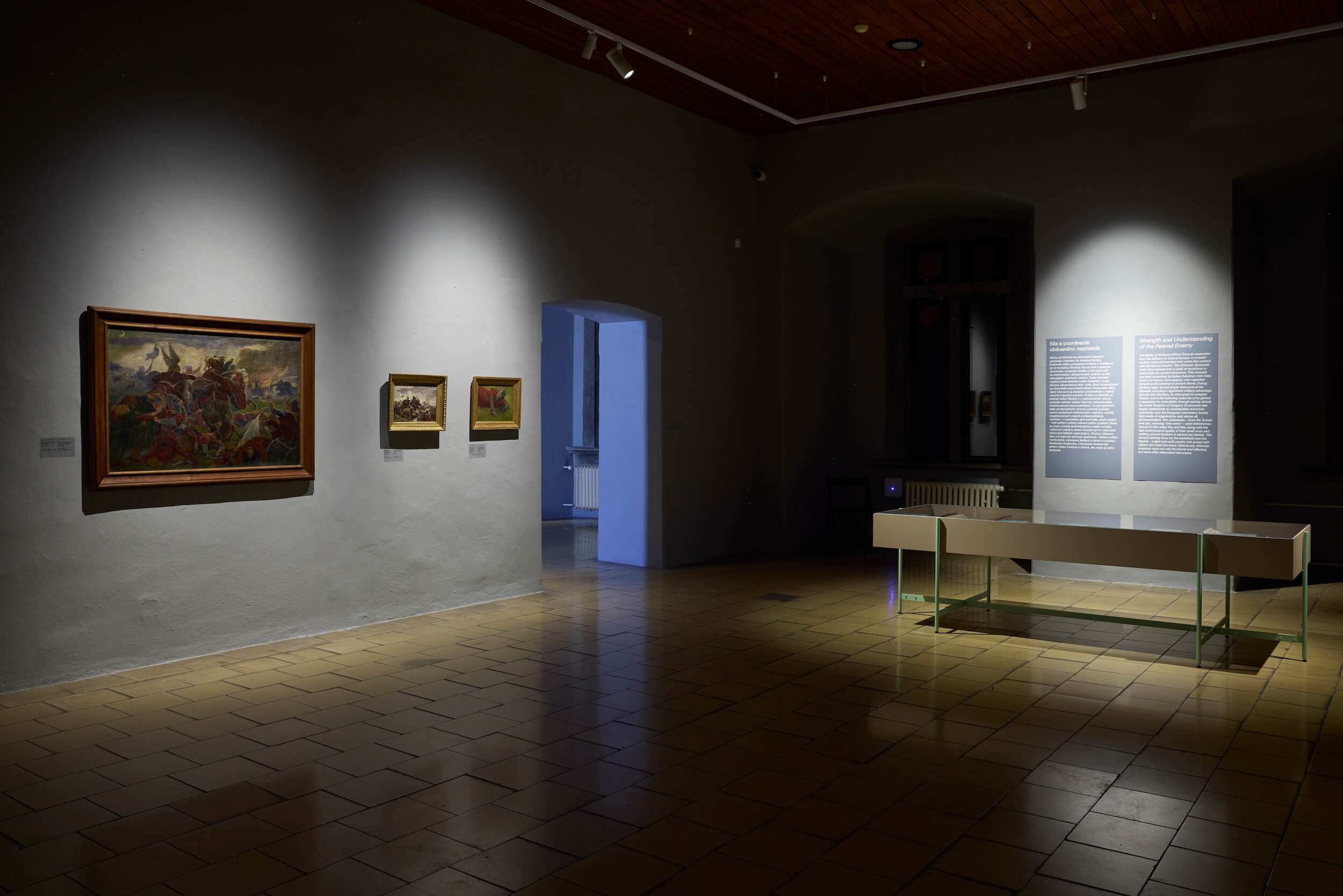
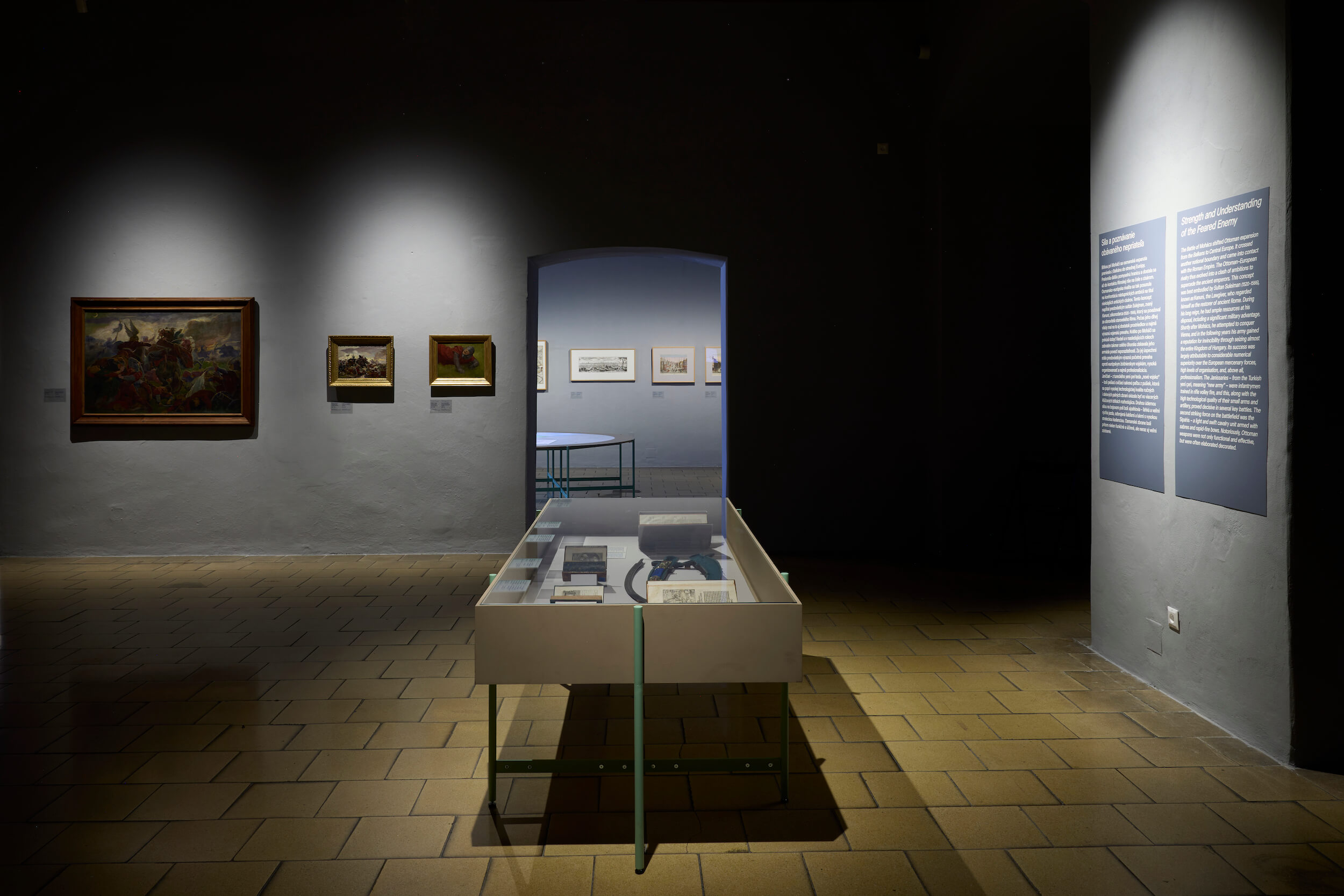


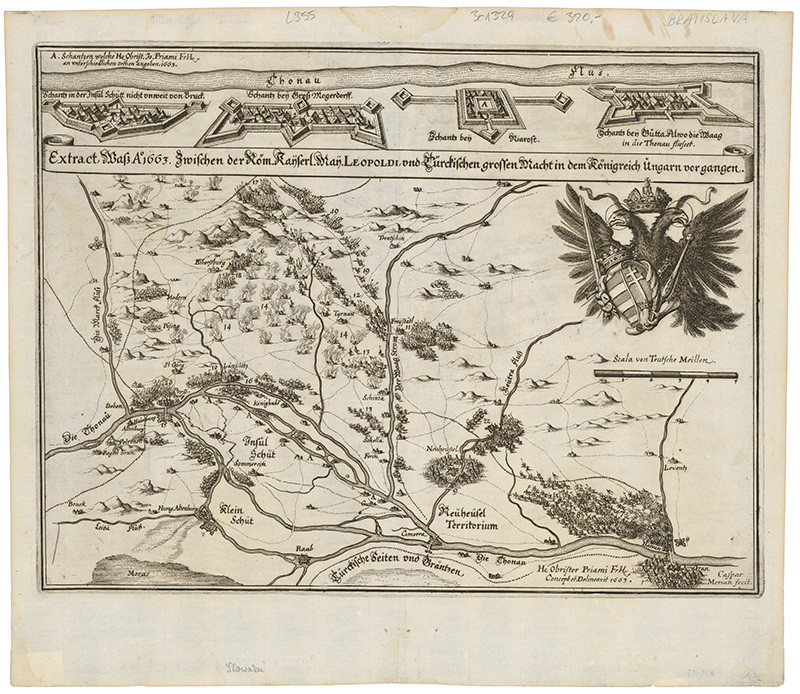 Kaspar Merian: Map of Ottoman Battles. Slovak National Gallery
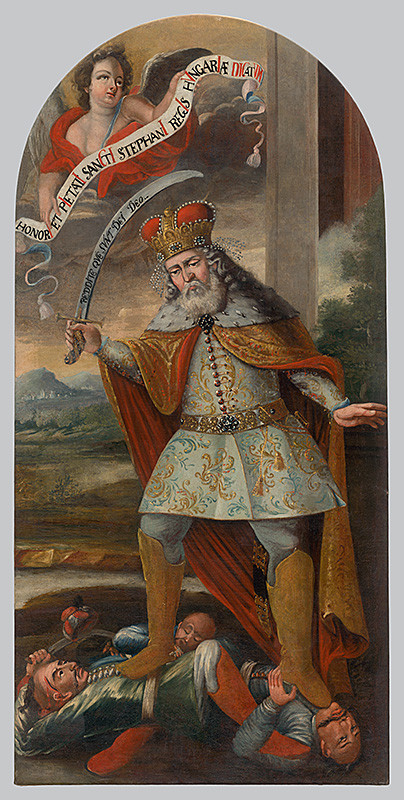 Unknown Painter: Saint Stephen as Victor over the Ottomans. 1718. Slovak National Gallery
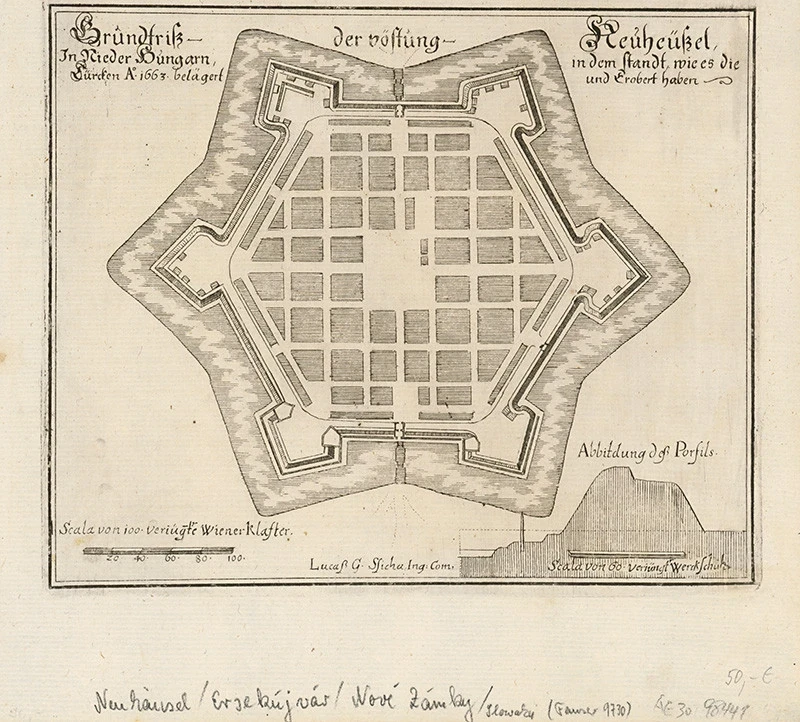
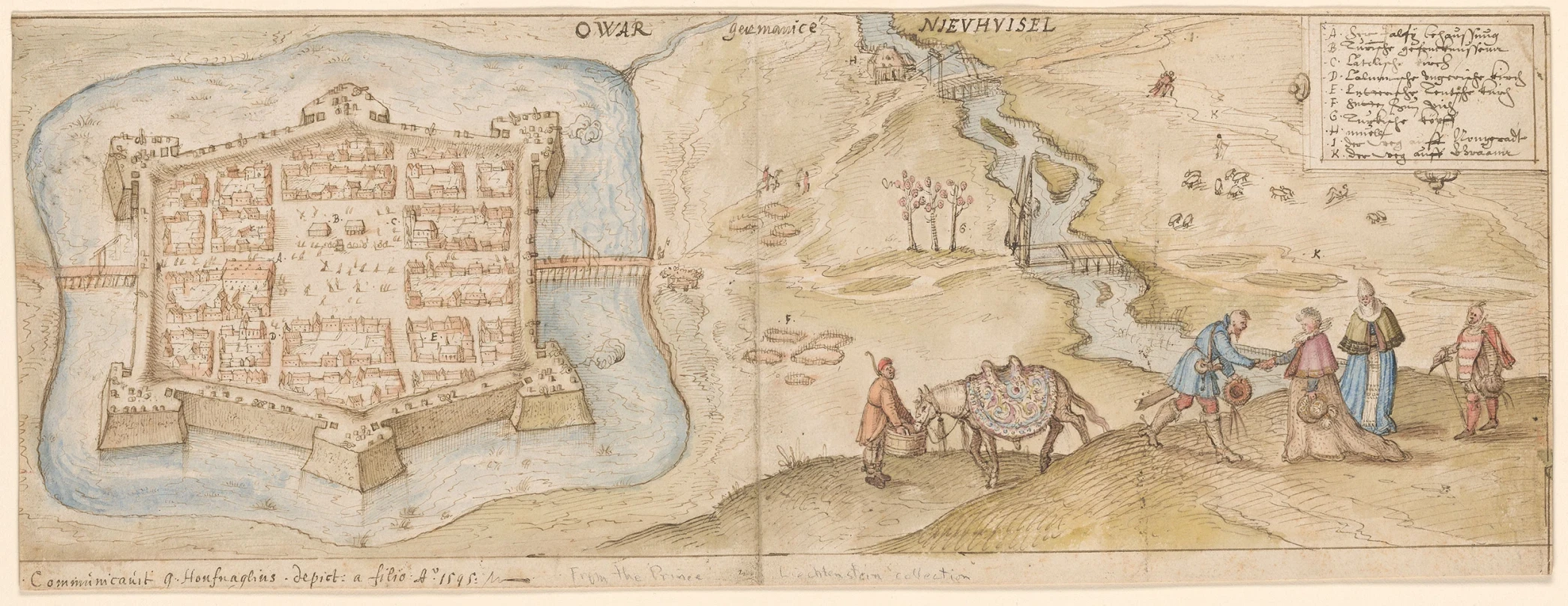
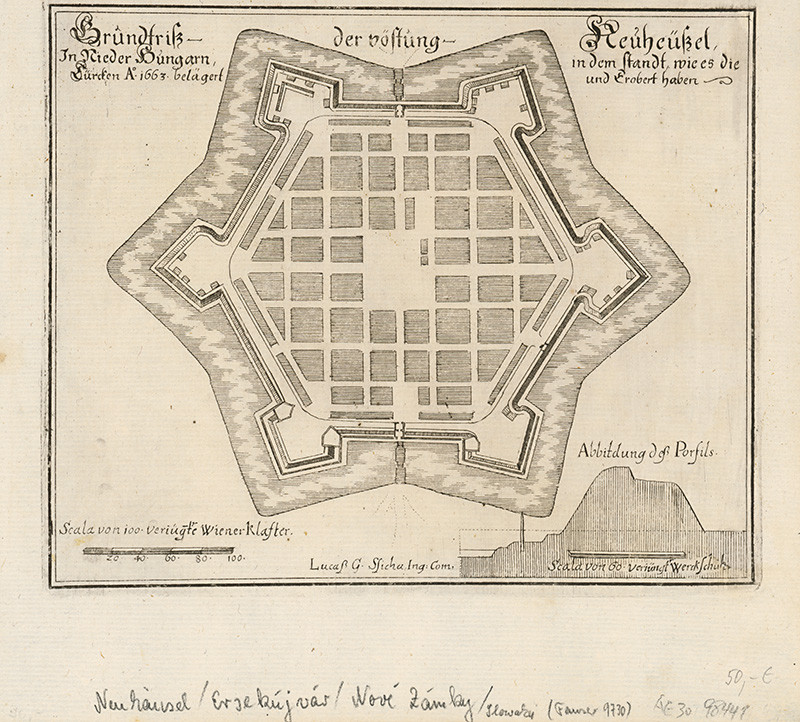 Unknown Engraver: Ground Plan of the Fortress of Nové Zámky in 1963. Slovak National Gallery
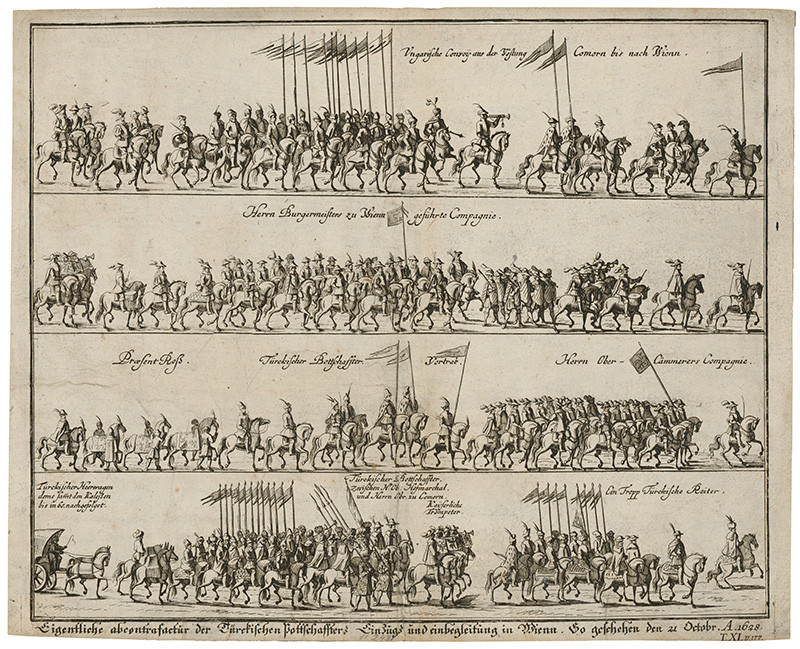 Unknown Engraver: Arrival of the Ottoman Envoy in Vienna in 1628. Circa 1650. Slovak National Gallery
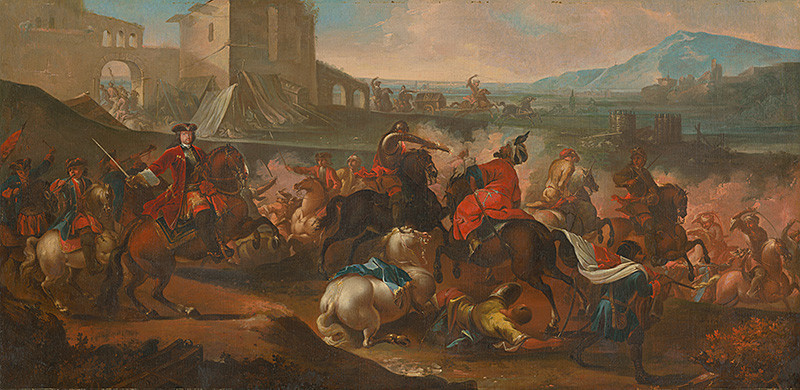 German Painter: Cavalry Battle. First Half of the 18th Century. Slovak National Gallery
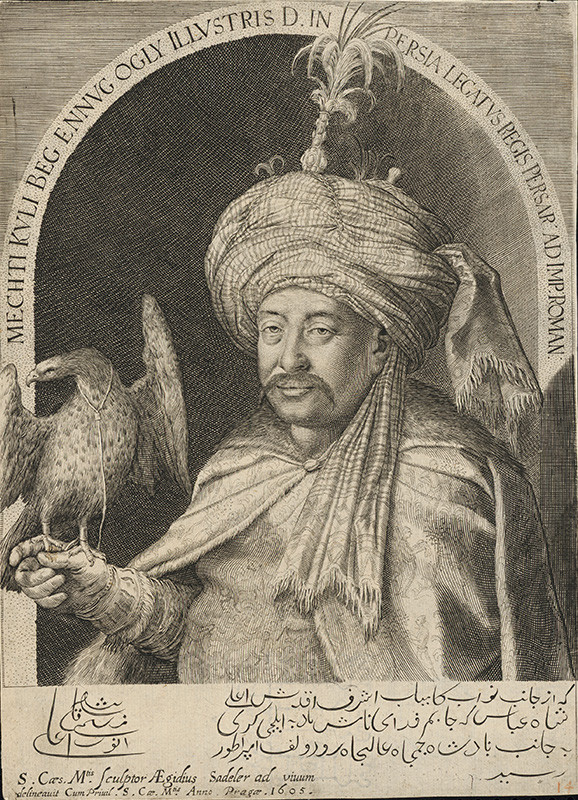 Aegidius Sadeler II.: Portrait of the Persian Envoy Mahdi Quli Beg, 1605, Bratislava City Gallery
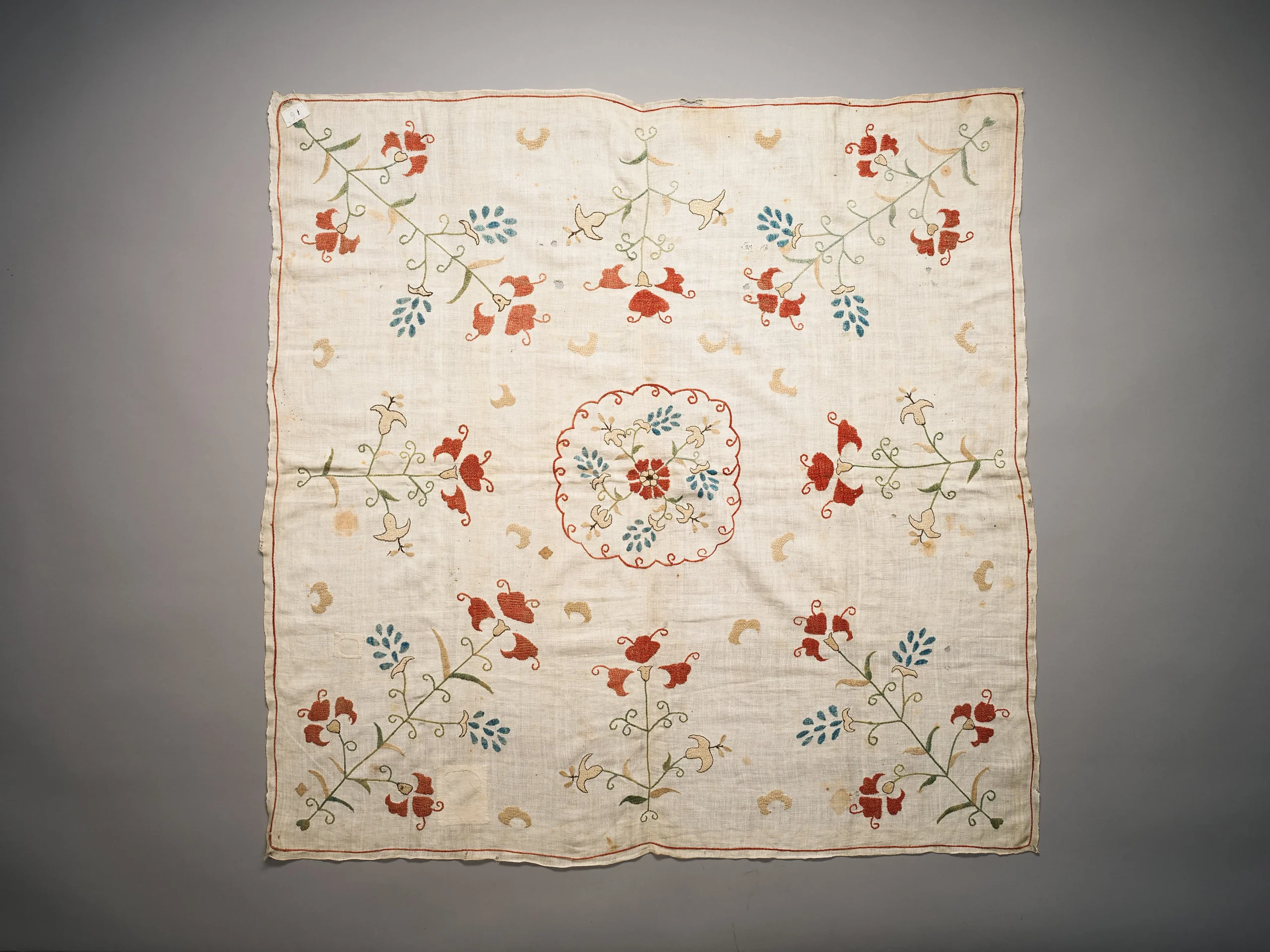 Coverlet, 17th Century, Evangelical Church Congregation, Kežmarok
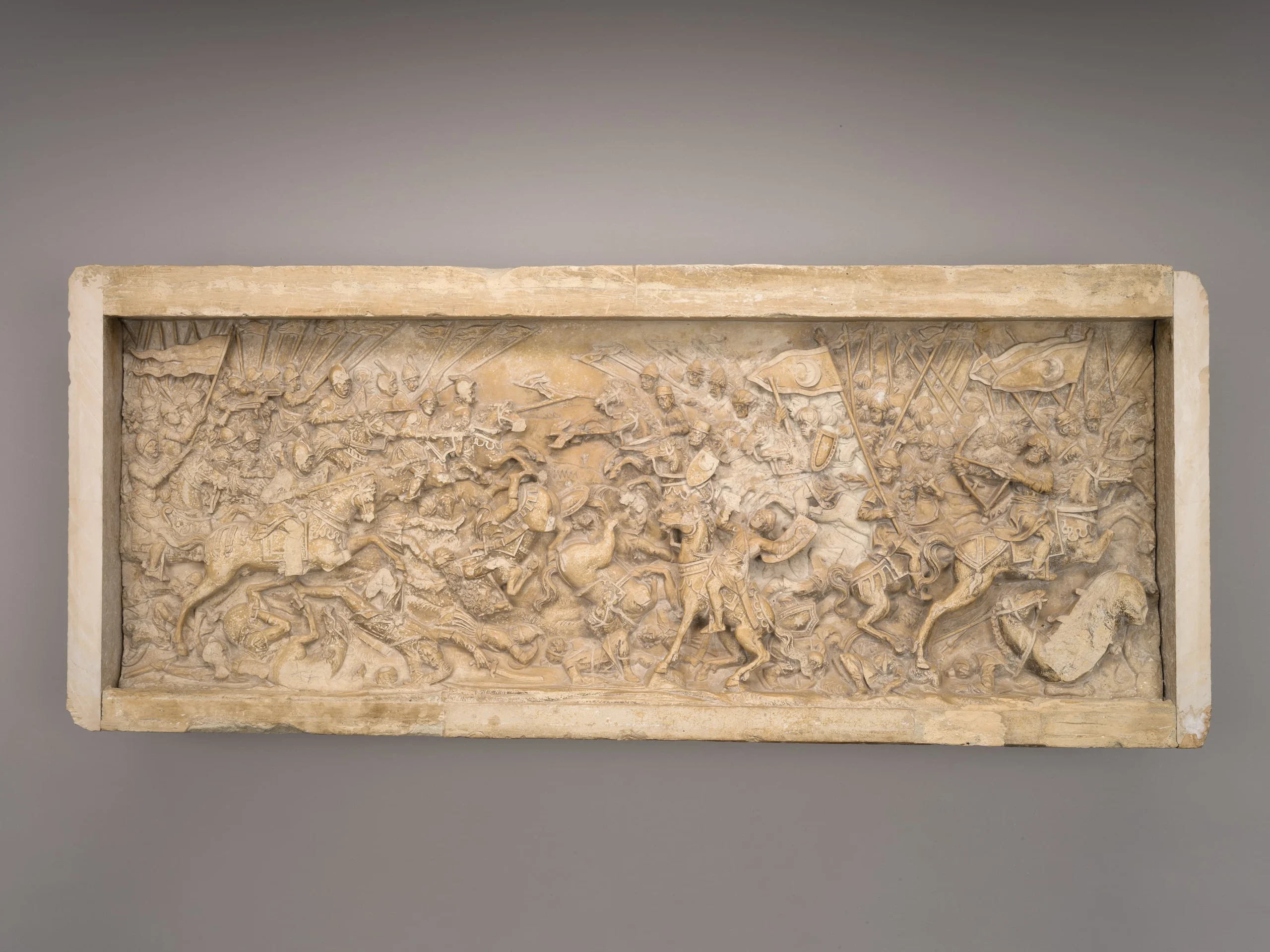 Relief of Mikuláš Pálffy’s Battle with the Ottomans, 17th Century, Slovak National Museum – Červený Kameň Museum
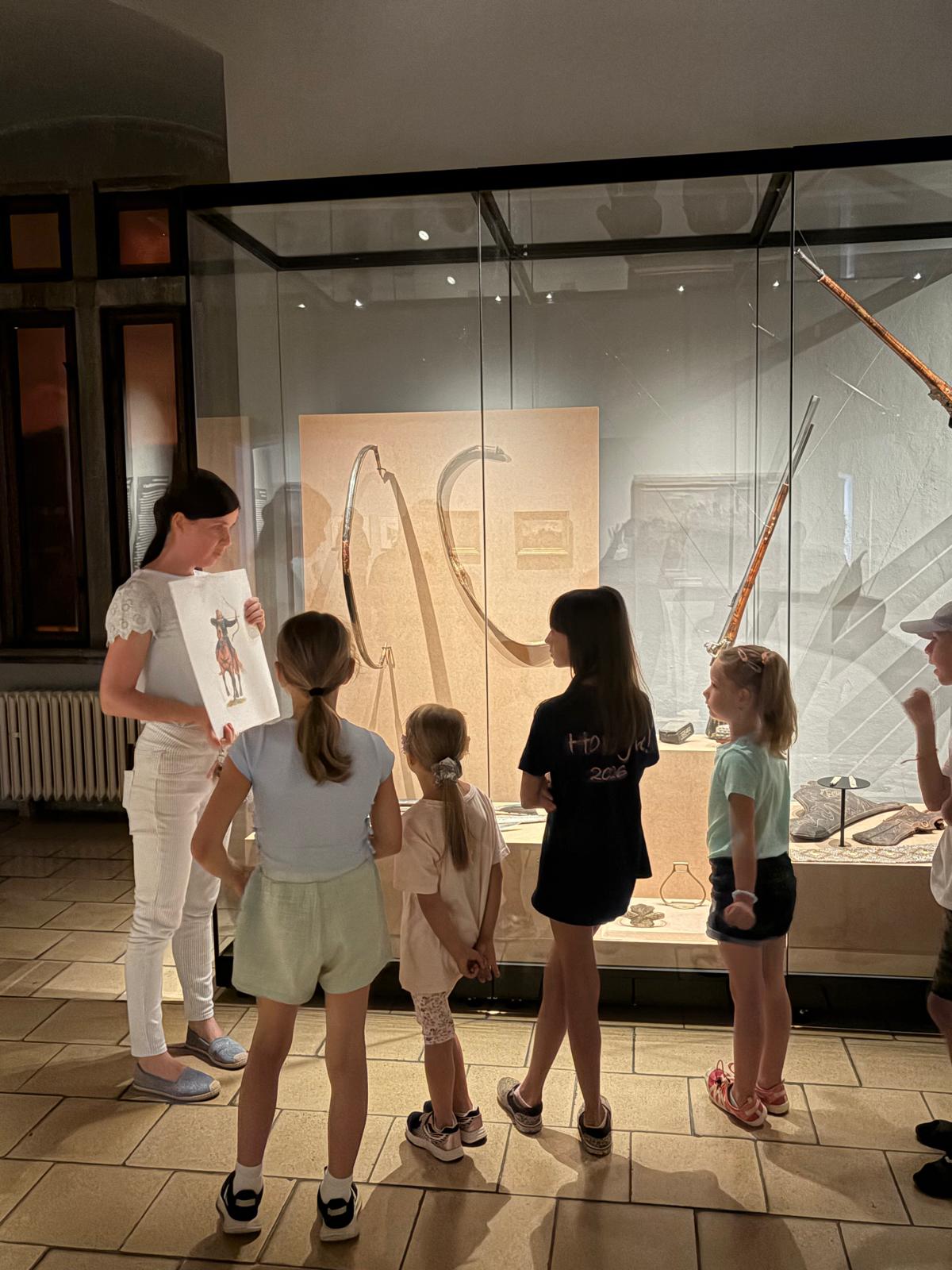
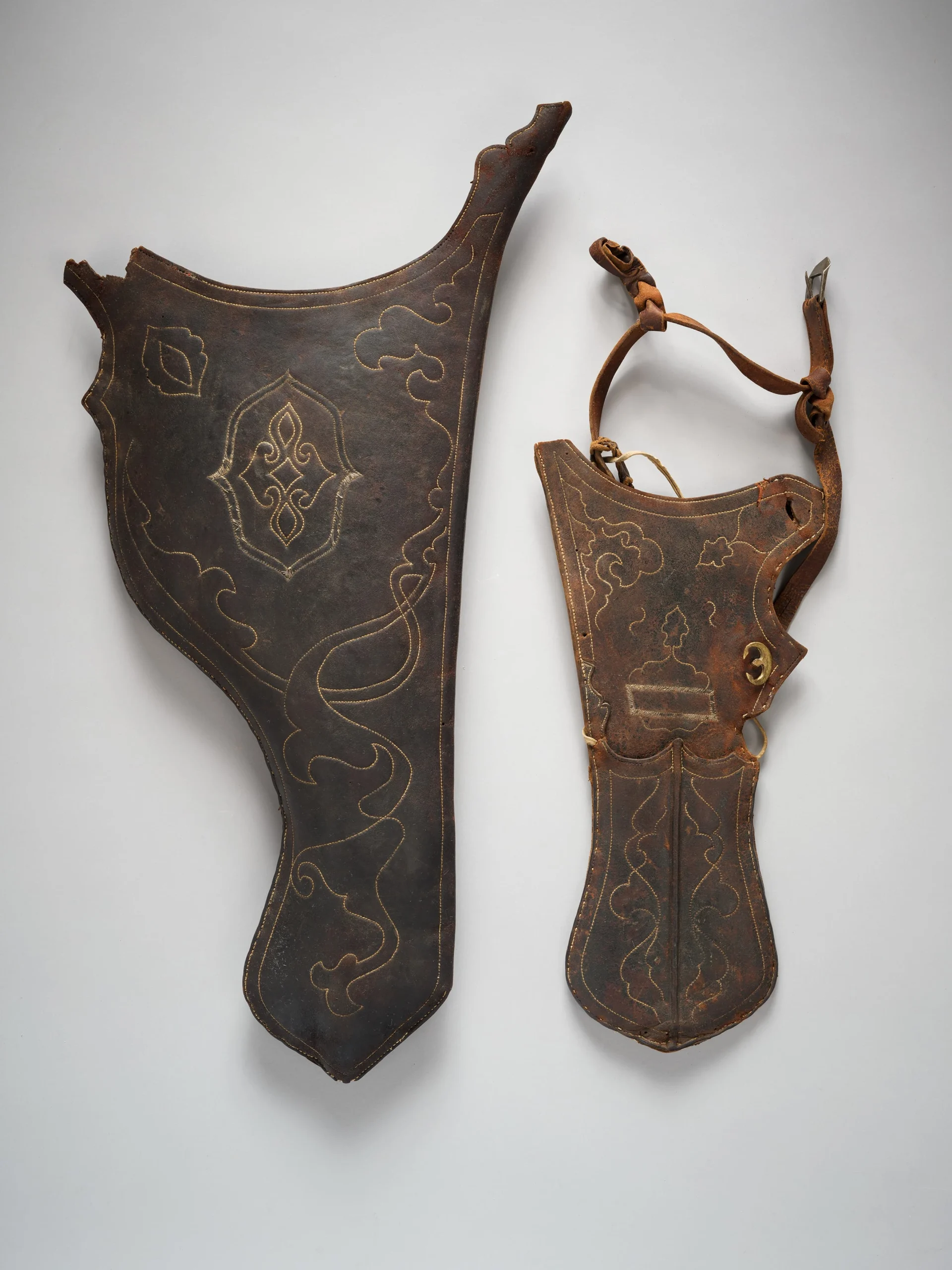 Quiver for Bow and Arrows, 17th Century, Slovak National Museum – Spiš Museum in Levoča
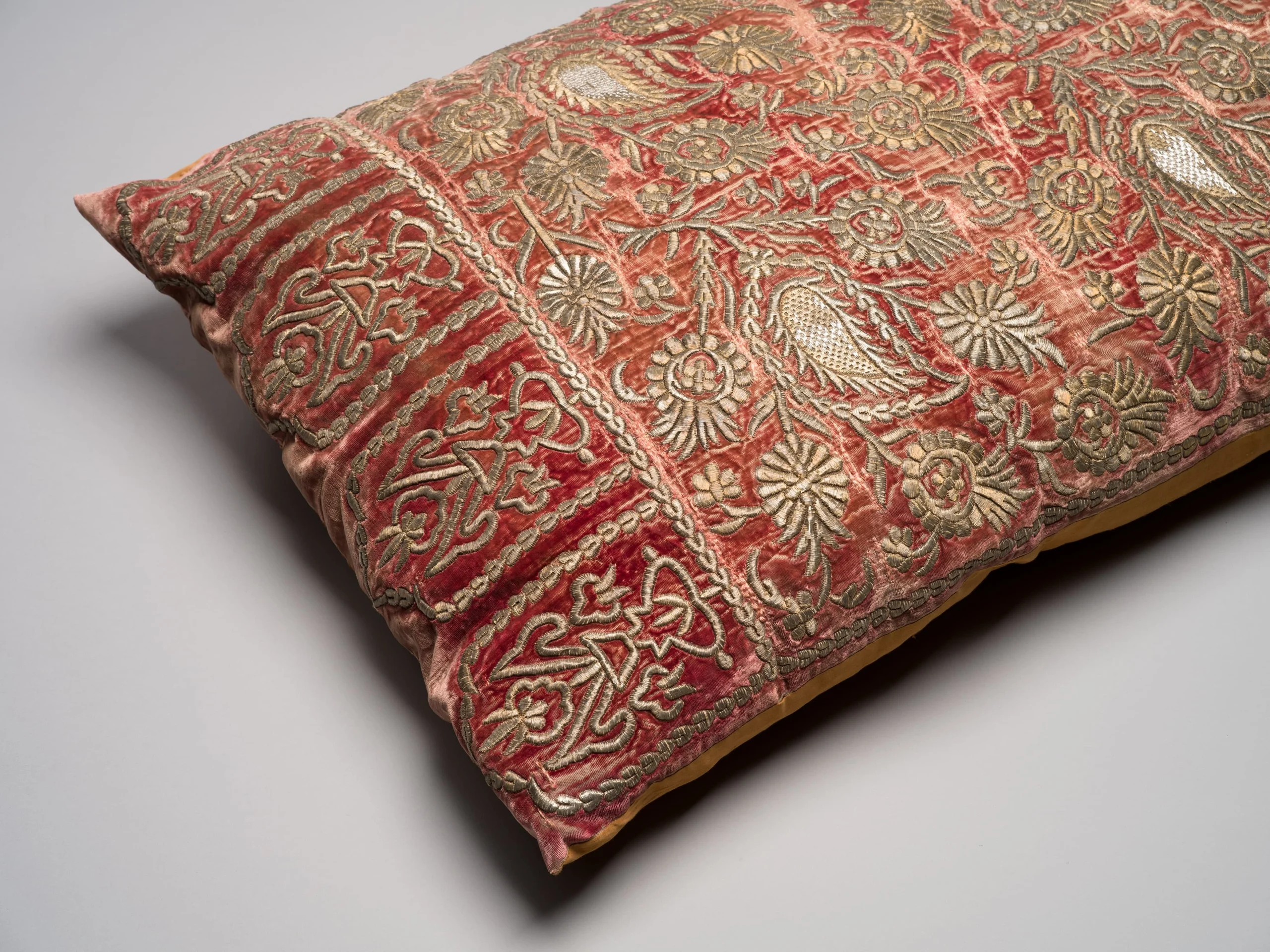 Cushion (Yastik), 17th Century, Slovak National Museum – Betliar Museum
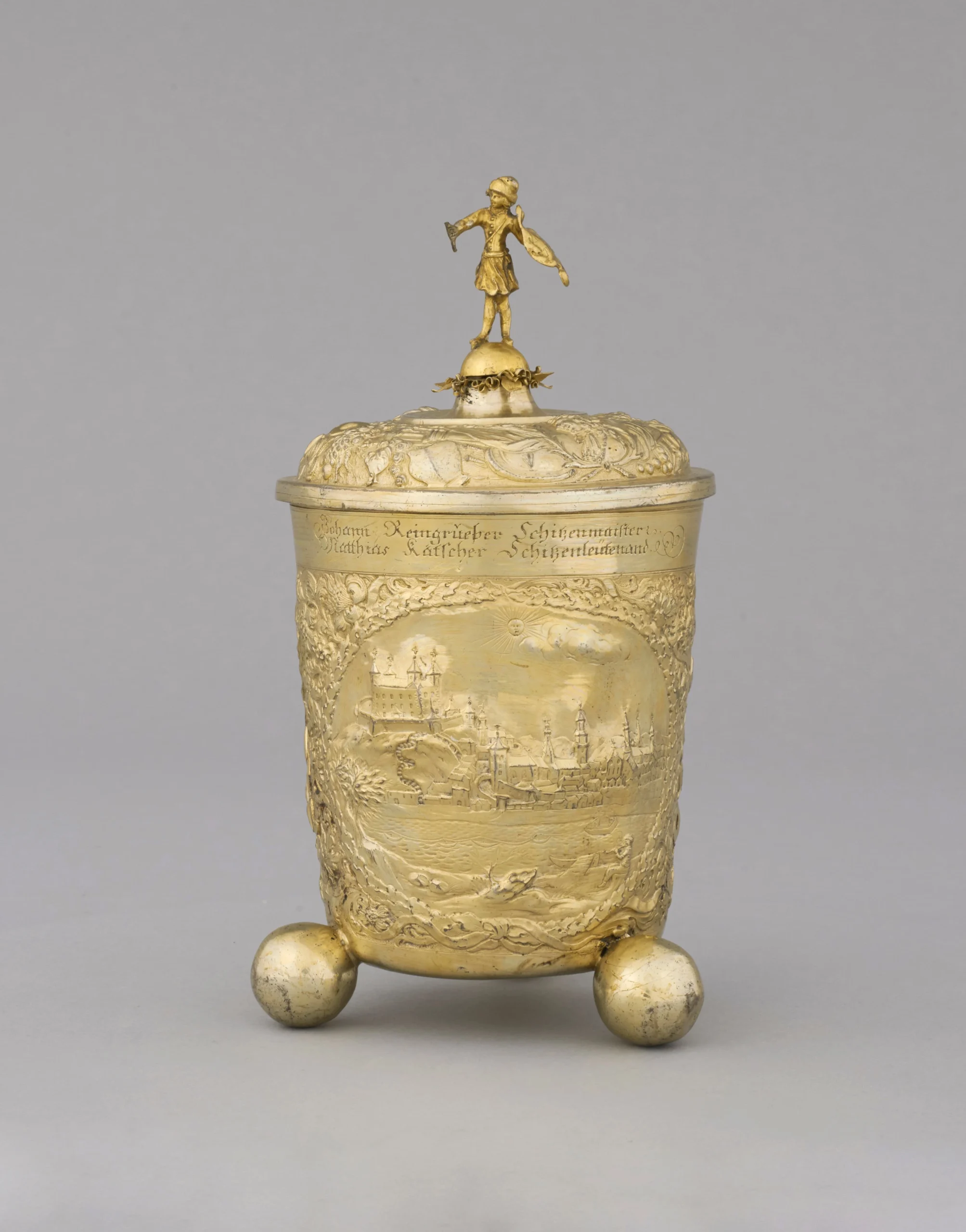 Cup of the Pressburg Marksmen, 17th Century, Bratislava City Museum
 Haban Tiles from Košolná, 17th Century, West Slovak Museum in Trnava
 Battle of Osijek, 17th Century, Detail, Slovak National Museum – Betliar Museum
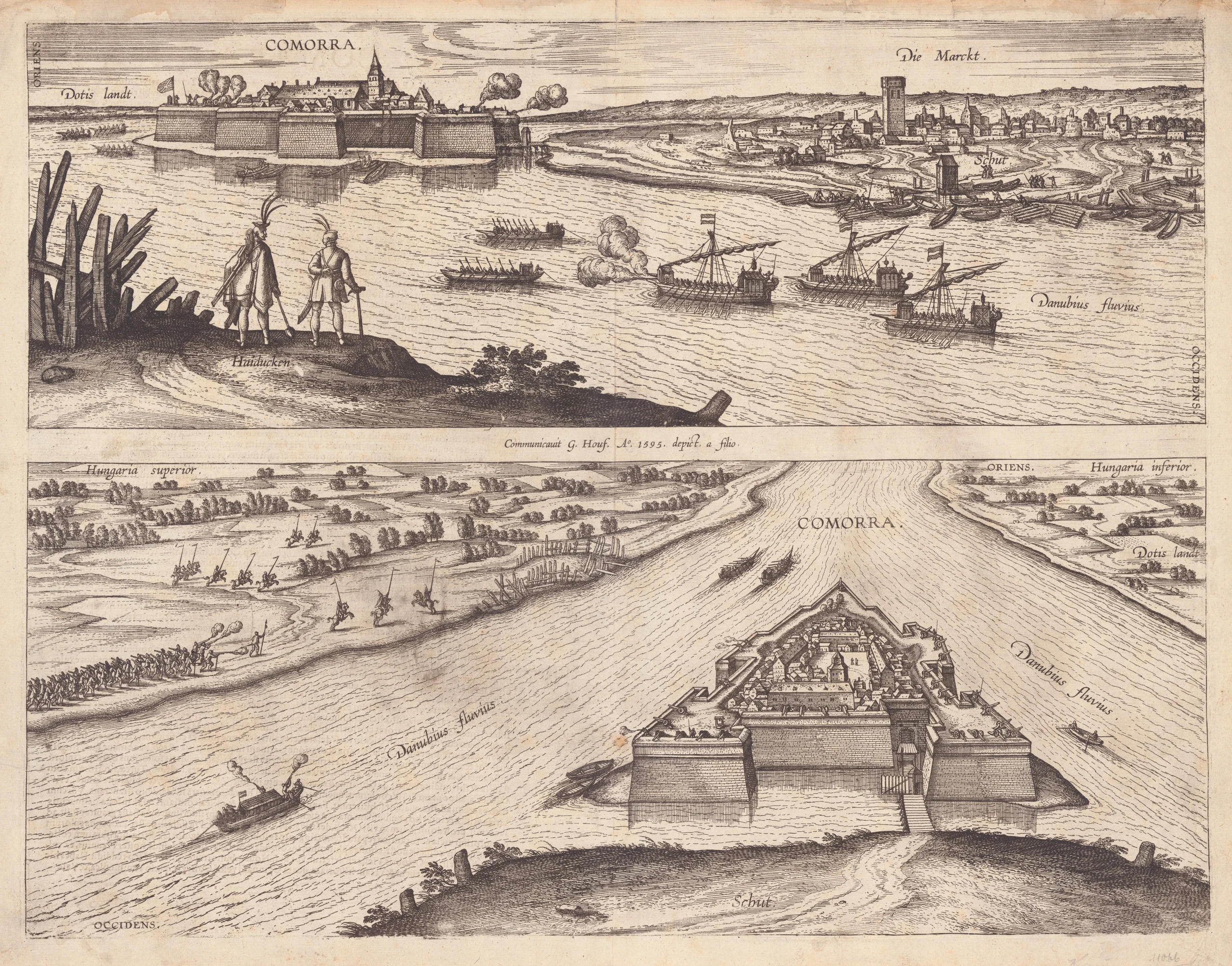 Double View of the Fortress of Komárno, circa 1597, Bratislava City Gallery
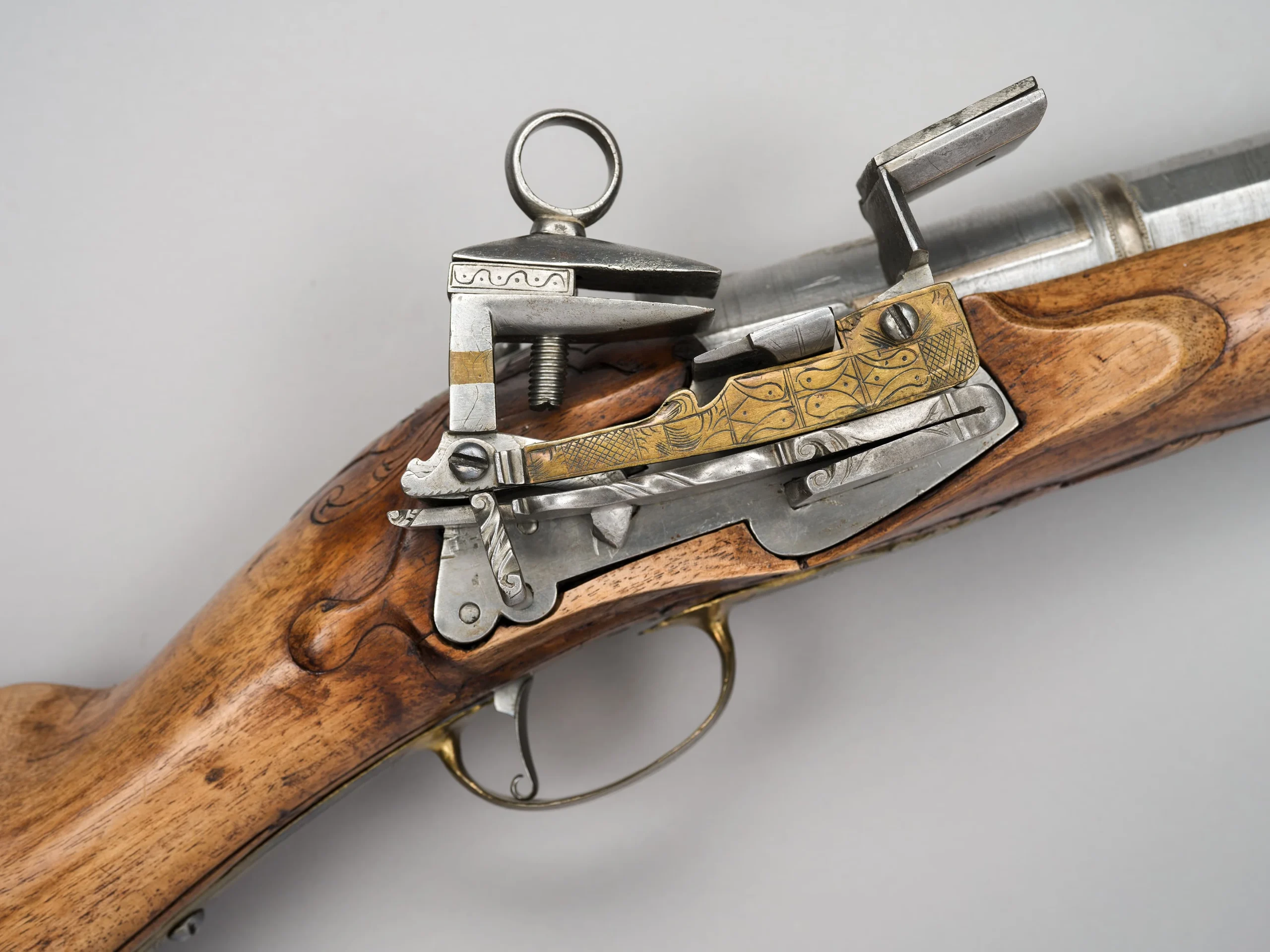 Lock Mechanism of an Ottoman Rifle, 17th Century, Slovak National Museum – Červený Kameň Museum